
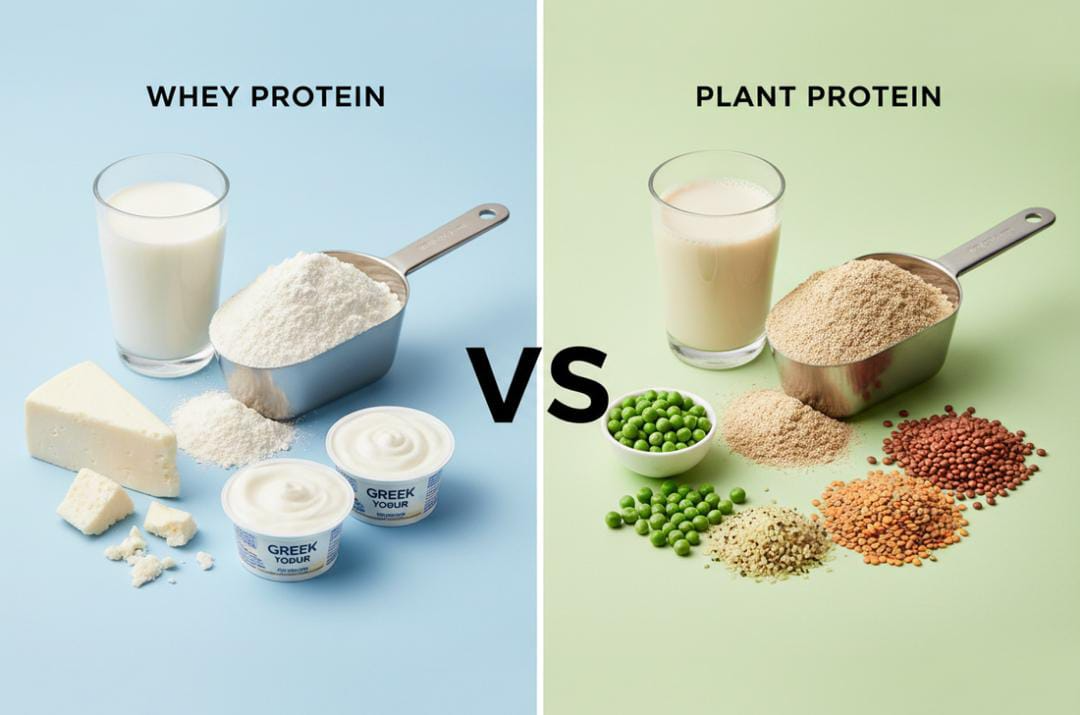
Whey or Plant-Based Protein: Which Is Right for You?
Walk into almost any gym these days and someone’s carrying a shaker bottle. Maybe they’re mixing a chocolate shake post-workout, tossing protein into a smoothie, or just trying to make a busy day easier. Protein powder’s just… part of the fitness routine now for a lot of people.
But once you actually go to buy one? Things get confusing fast.
You start scrolling and suddenly there’s dozens of options staring back at you. Whey concentrate. Whey isolate. Pea protein. Rice protein. Soy protein. Blends. A million flavors. Different serving sizes. Bold claims plastered across every tub.
And then the big question hits.
Whey or plant?
Fair question. Both have loyal fans. Whey’s been the gym staple for decades. Plant protein’s blown up right alongside the vegan, vegetarian, and dairy-free wave.
Here’s the thing though — this isn’t a competition. Whey isn’t automatically the best pick for everyone. And plant protein isn’t automatically healthier just because it’s plant-based.
Both can boost your protein intake. The right one depends on your diet, your preferences, your gut, your goals, your budget, and honestly, the specific product sitting in front of you.
One thing worth clearing up first: protein powder isn’t a stand-in for real nutrition. It’s a supplement. A convenient one, sure. But still just a supplement. Your actual meals should still cover the bases — lentils, beans, chickpeas, dairy, soy, nuts, seeds, veggies, fruit, grains, whatever fits your diet.
So if you’re stuck deciding, what should you actually look for?
Let’s dig in.
Which Protein Supplement Is Right for Your Needs?
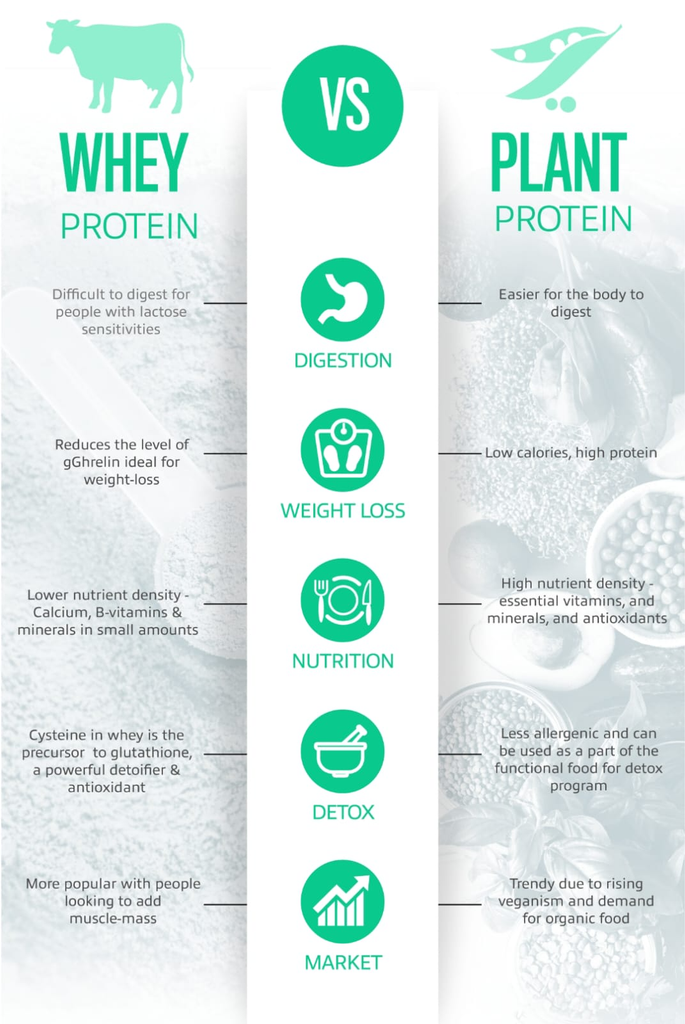
Simplest answer: depends on you.
There’s no single powder that’s perfect for every person on Earth. Whey can be great if you consume dairy and want something convenient and high-quality. Plant protein works just as well if you avoid dairy, eat vegan, or just prefer plants.
To actually get the difference, you need to know where each one comes from and what it does once it’s in you.
What is whey protein?
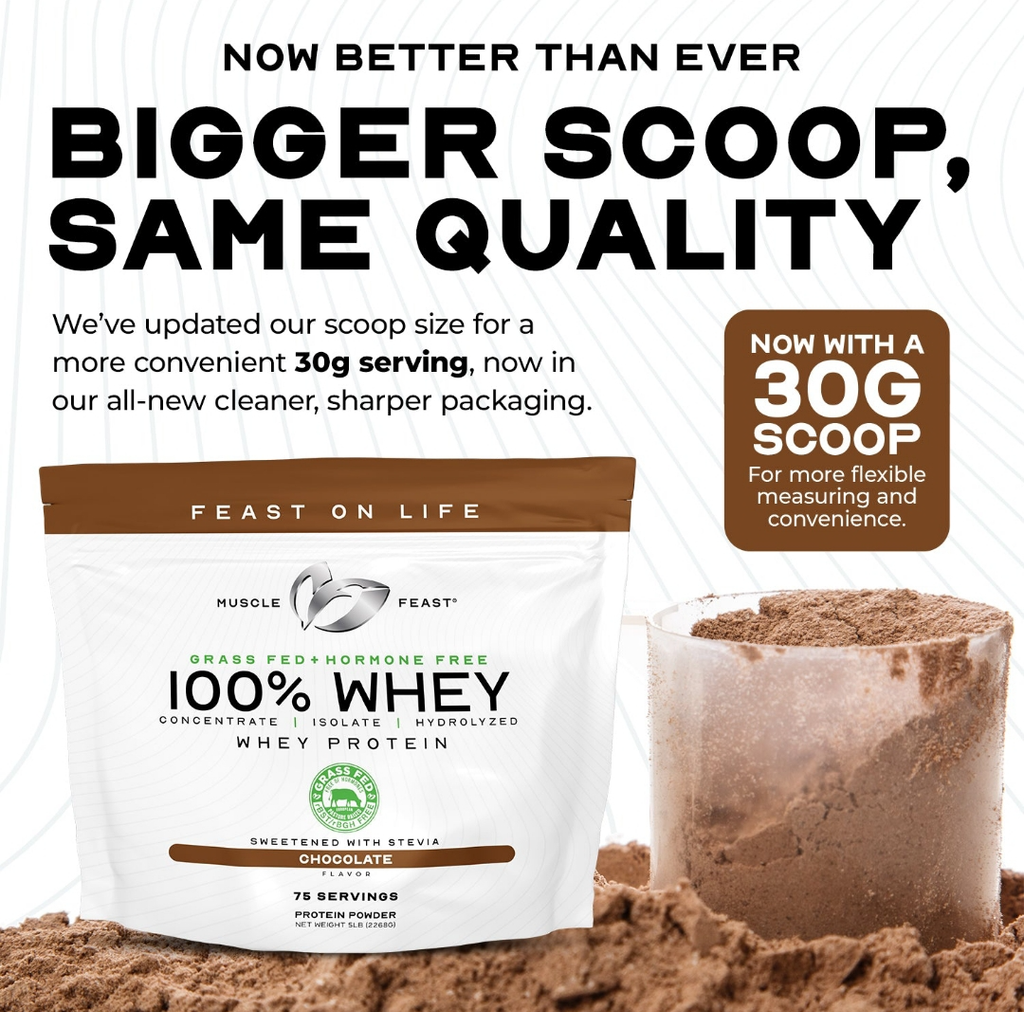
Whey comes from milk. During cheese production, milk splits into solid curds and liquid whey. That liquid gets processed and filtered down into powder.
You’ve probably noticed two main types on shelves — concentrate and isolate.
Concentrate packs a high protein percentage but still carries some lactose, carbs, and fat along for the ride. Exact numbers shift depending on the brand and processing.
Isolate goes through extra filtering to strip out more of the non-protein stuff. End result: higher protein percentage, less lactose, less fat, less carbs.
Doesn’t mean isolate automatically wins, though. Some people are totally fine with concentrate. Others swear by isolate. Personal call.
One big reason whey’s stuck around so long: the amino acid profile. It’s a complete protein — naturally hits all nine essentials. And it’s loaded with leucine, the amino acid that kicks off muscle protein synthesis.
For anyone strength training, that’s a genuinely convenient advantage.
What is plant protein?
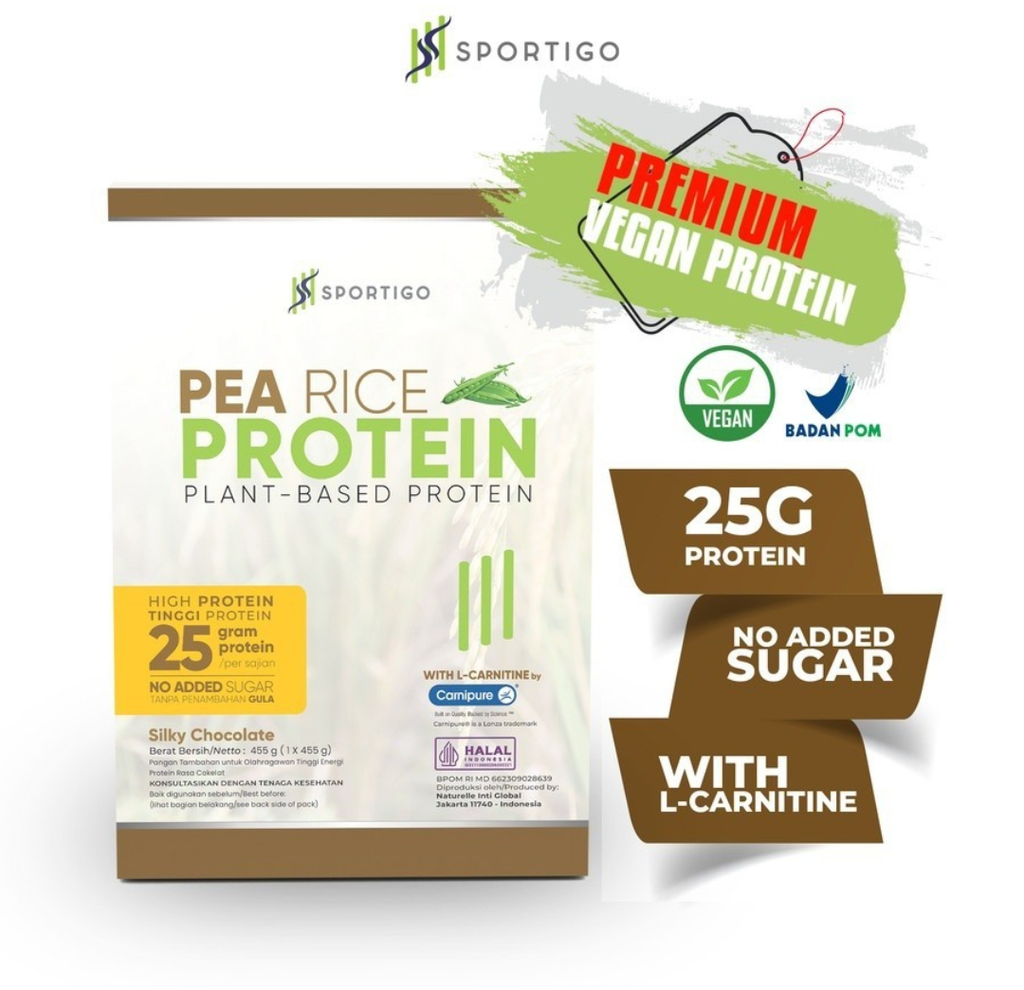
Plant protein comes from, well, plants.
Not just one type either. Peas, rice, soy, hemp — the list goes on.
Pea protein shows up constantly in modern products. Rice protein’s popular too. Soy’s a big player as well, and it happens to be a complete protein on its own.
Since different plants bring different amino acid strengths, plenty of brands blend a few together. Pea and rice, for instance — one plant covering the other’s gaps.
Which is exactly why you shouldn’t treat every plant protein powder as identical.
A single-source pea protein isn’t the same as a rice protein. And neither is the same as a multi-source blend.
So which has better protein quality?

Whey’s got a naturally strong amino profile. Complete protein. Solid leucine content.
Plant proteins? They vary.
Soy’s complete on its own. Others fall a bit short on specific aminos. Doesn’t mean plant protein is useless, though — not even close.
A well-built plant blend can cover a broad amino spread, and remember — your whole diet is bringing protein to the table too, not just the shake.
Point is: don’t judge a plant protein by one number on the label.
Look at the full picture.
What about muscle building?
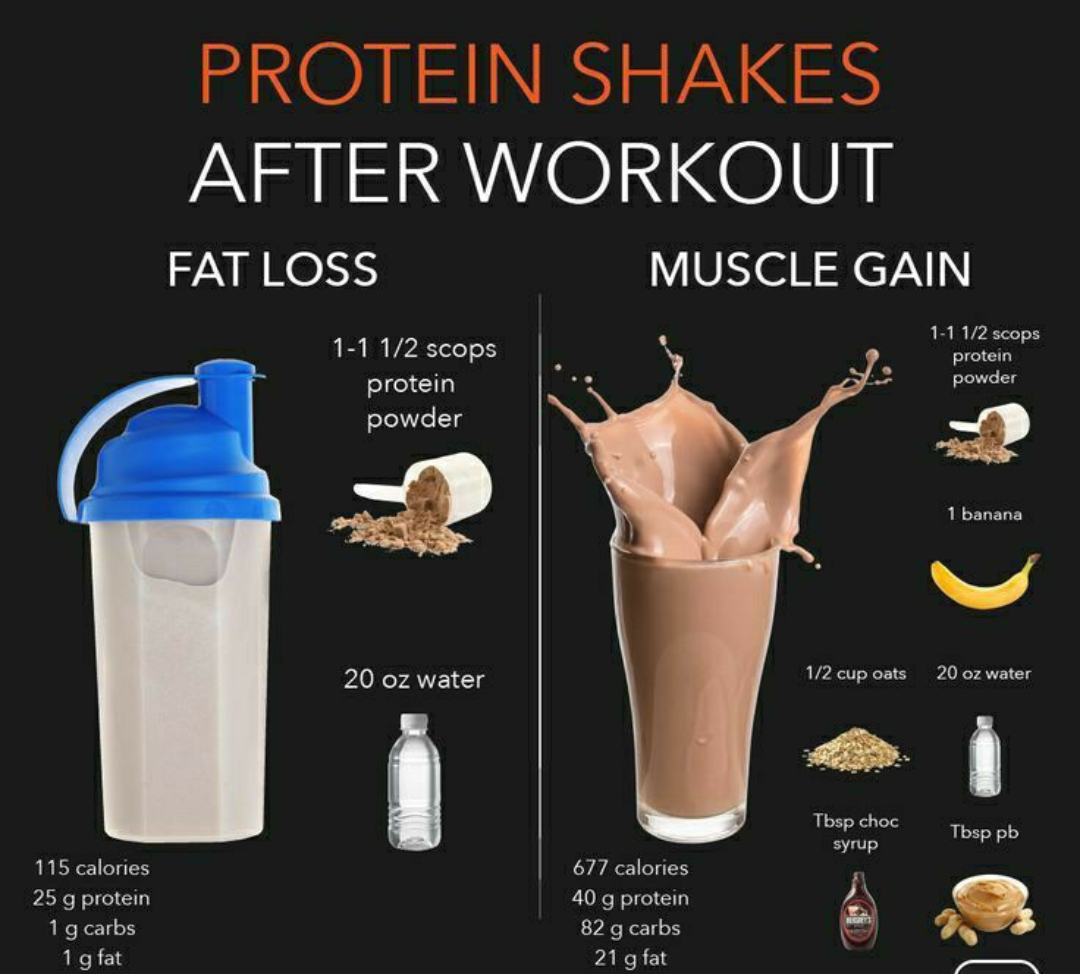
This is where the debate usually gets heated.
If mu scle’s your goal, whey’s got a slight edge thanks to its amino makeup and leucine content. It’s also one of the most studied protein supplements out there, period.
But plant protein isn’t sidelined here.
It works too.
Muscle growth comes down to way more than which powder you scoop. Training, total protein intake, enough calories, recovery, consistency — all of it matters.
Think of the powder as one tool. Not the whole toolbox.
If your diet already covers enough protein and you’re training properly, plant protein contributes just fine — same as a whey shake would.
The real job is hitting your protein target with sources that actually fit your life.
Does whey digest better?

Not necessarily.
Some people digest whey with zero issues. Others don’t.
Usually the culprit is lactose — naturally found in milk. Concentrate typically has more lactose than isolate, though it varies by brand.
If lactose bothers you, isolate might sit better. Or you skip dairy entirely and go plant.
But plant protein isn’t guaranteed to be gentle either.
Added fibers, sugar alcohols, gums — plenty of plant powders throw these in, and they can cause their own bloating drama.
Lesson here: your personal tolerance is what actually matters.
One powder messing with your stomach doesn’t mean protein powder itself is broken. Might just mean you need a different formula.
Which tastes better?
Total personal territory.
Whey usually gets praised for smooth texture and easy mixing. And the flavor variety is basically endless — chocolate, vanilla, weirder combos you didn’t know existed.
Plant protein’s come a long way. Modern versions taste miles better than the chalky stuff from years back, though some can still land thick or a little earthy.
Some people don’t notice a difference at all. Others have very strong opinions.
Grabbing a small container before committing to a giant tub? Smart move. Saves you from being stuck with a flavor you hate.
Because the “best” protein in the world means nothing if you can’t stand drinking it.
What if you’re vegetarian?

Being vegetarian doesn’t automatically mean plant protein is your only option.
Plenty of vegetarians eat dairy just fine, which means whey still fits their diet.
Vegan is different — whey comes from milk, so it’s off the table there.
Vegetarian and comfortable with dairy? Pick whichever one you actually like.
Vegan? Plant protein’s the obvious call.
Is plant protein healthier just because it’s plant-based?
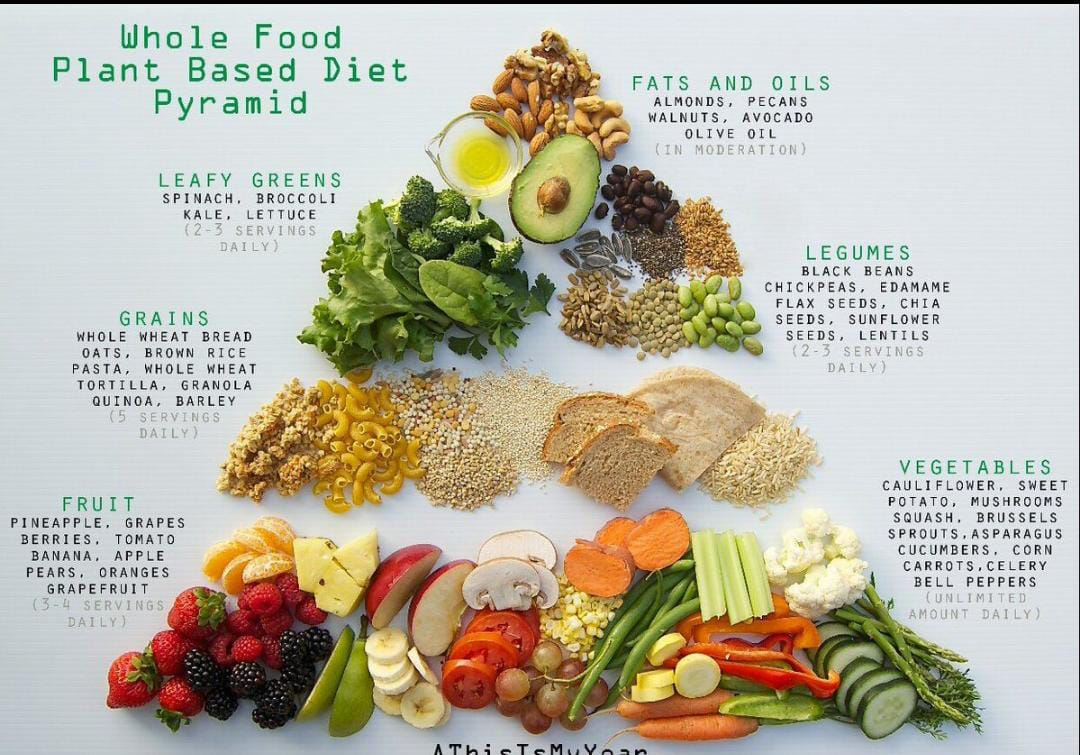
Not automatically. Not even close.
This assumption trips people up constantly.
Plant-based doesn’t equal healthier. Dairy-based doesn’t equal unhealthy. Neither label tells the whole story.
A plant protein can have a long ingredient list packed with sweeteners and additives. A whey protein can have a short, simple one. Or the reverse.
Skip the plant-based-versus-not framing. Check the nutrition facts and ingredients instead.
A good product is whatever actually fits your needs.
What about calories?
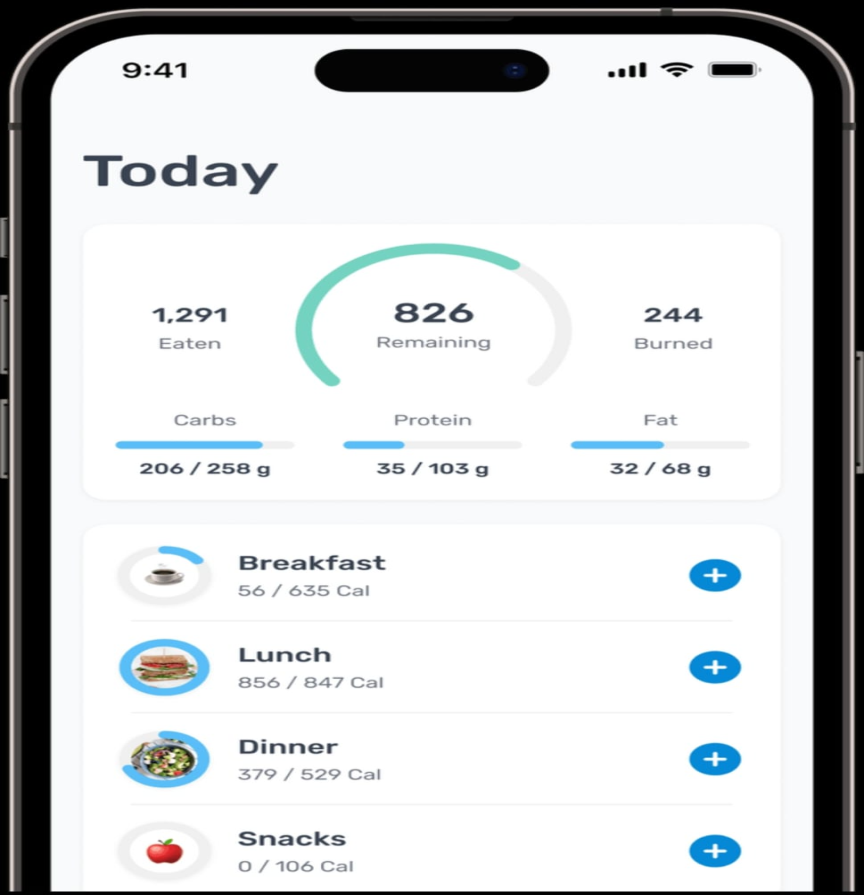
Calorie content swings a lot between powders.
Some are stripped-down protein supplements with modest calories. Others pile on carbs, fats, and sugars to boost the count on purpose.
Just looking for protein? Compare the protein-to-calorie ratio across products.
But don’t assume fewer calories automatically wins.
Someone needing extra energy might actually want a higher-calorie option. Someone else wants something simple. Context changes the answer every time.
How much does price actually matter?
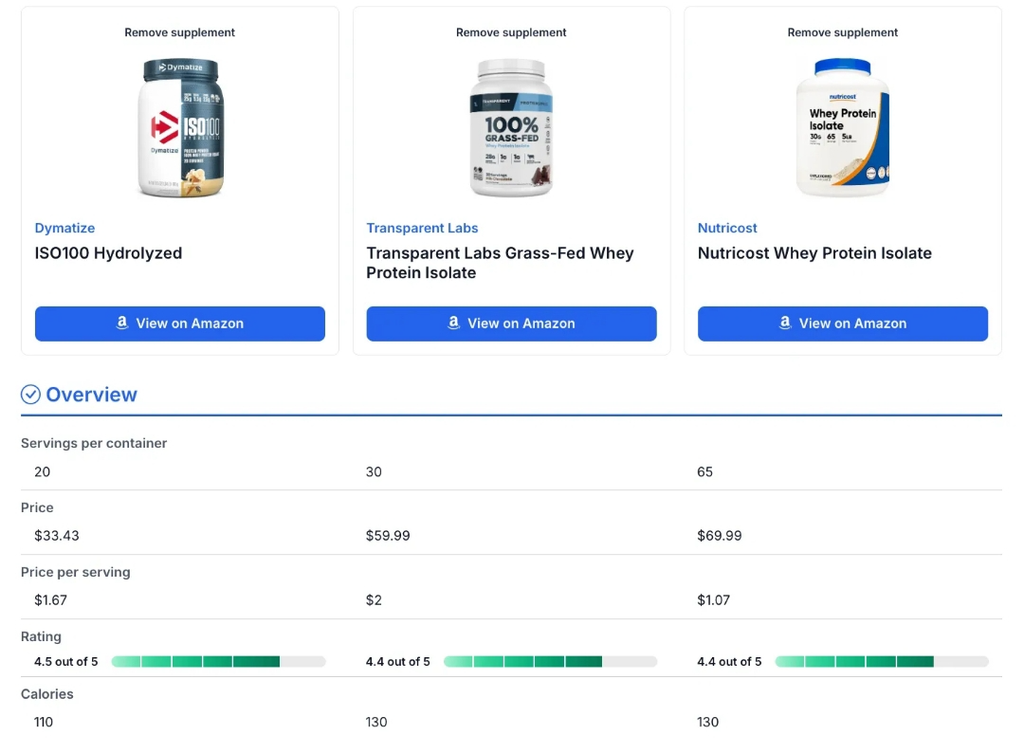
It matters. But don’t judge a tub by its price tag alone.
A giant container can look like a steal until you notice it has fewer servings than the smaller one next to it.
Compare instead:
– Price per serving
– Protein per serving
– Total servings
– Ingredient quality
– Protein source
– Whether you’ll actually enjoy drinking it
Whey concentrate’s usually the budget pick. Isolate costs more thanks to the extra processing. Plant protein prices swing wildly depending on ingredients and formulation.
Cheapest doesn’t mean best value. Priciest doesn’t mean best quality. Neither.
Choosing the Right Protein Powder: Ingredients and Nutrition
Before buying anything, flip the container around.
Don’t trust the front label. Ever.
Look at the nutrition facts. Check the serving size. Check the protein amount per serving.
Then scan the ingredients.
What’s the main protein source? Added sugar? Anything you personally need to avoid? Dairy? Does it fit your dietary needs?
You can answer almost all of this just by reading carefully. Takes thirty seconds.
Can You Replace Dairy-Based Protein With a Vegan Alternative?
Yes. Absolutely.
Nobody’s forcing you to use whey to hit your protein goals.
Plant protein works great as an alternative for vegans, dairy-avoiders, plant-preference folks, or anyone who just prefers the taste or nutrition profile.
That said — switching means paying attention to exactly which plant protein you’re grabbing.
Understanding plant protein sources
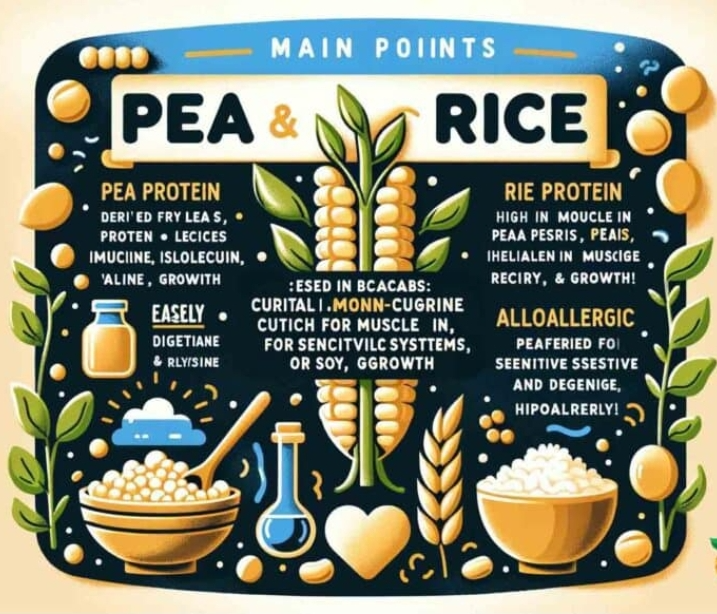
Pea protein’s one of the most popular picks. Solid protein amount, useful amino spread.
Rice protein’s common too, and it actually complements pea protein well since the two cover different amino gaps.
Soy protein matters here too — unlike most plant sources, it’s complete on its own.
Some powders blend pea, rice, soy, or other sources together. Makes for a convenient way to hit multiple protein sources in one scoop.
Does switching mean you’ll lose muscle?
No.
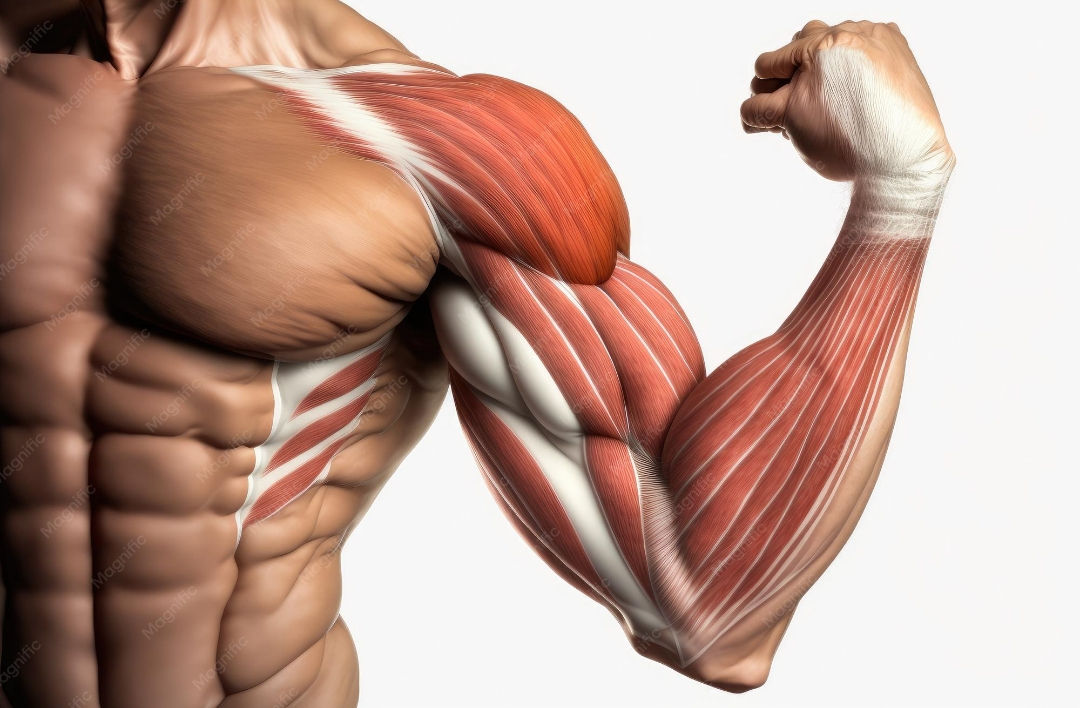
Swapping whey for plant protein doesn’t automatically shrink your muscles.
Your body doesn’t care whether the amino acids came from a milk-based shake or a plant-based one. What matters is having enough essential aminos and enough total nutrition.
If you’re switching, just make sure your overall protein intake stays where it needs to be.
And your meals still count. Lentils, beans, chickpeas, tofu, soy foods, dairy if you eat it, nuts, seeds, grains — all of it adds up.
Do plant proteins work for people who lift?

Yes.
Plant protein fits perfectly fine into a strength-training diet.
The idea that you need animal protein to build muscle? Too simplistic. Not true.
People eating plant-based diets get plenty of protein through smart food choices plus supplements when needed.
If you’re using a plant protein powder, pay attention to protein content per serving and which sources are actually inside.
A blend can be especially useful here since it combines multiple sources at once.
What if plant protein feels heavier?
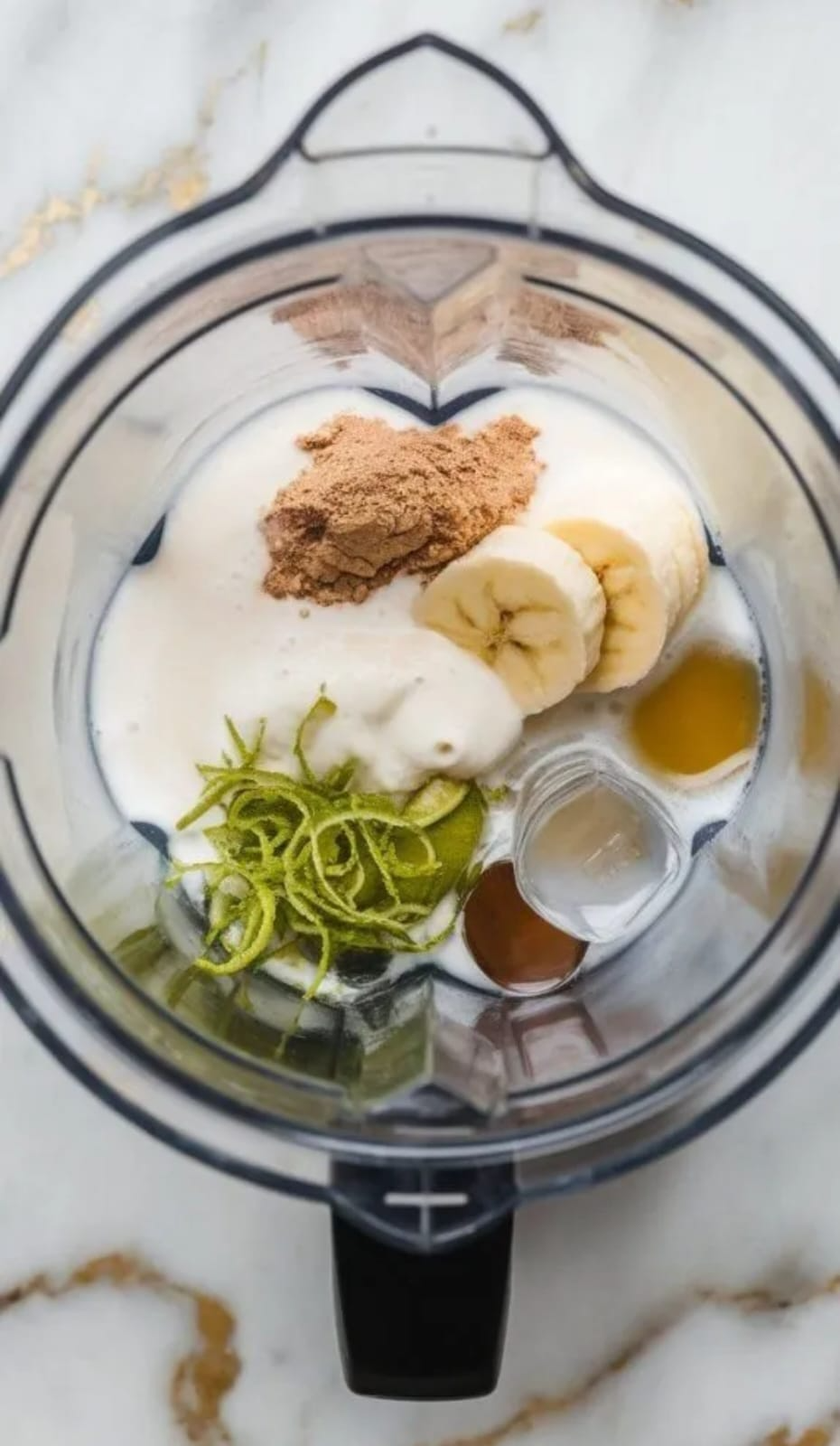
Some people notice plant protein feels thicker than whey. Heavier in the mouth, almost.
Usually comes down to the protein source itself plus whatever else is mixed in.
If texture bugs you, experiment. More liquid thins it out. Blending with fruit changes texture and flavor. Tossing it into a full smoothie can make it way more enjoyable.
But if a product keeps causing digestive issues no matter what you do, switch formulas. Don’t force it down out of stubbornness.
Can You Combine Different Types of Protein Powder?
Yes, if both fit your diet.
You’re not locked into one protein source for life.
Someone who eats dairy could use whey some days, plant protein other days. Someone else might use whey post-workout and get the rest of their protein from whole foods.
There’s no rule saying you have to pick a lane and stay in it.
Comes down to convenience and preference. That’s it.
Is plant protein suitable for teenagers?

Protein needs shift depending on age, growth stage, body size, activity level, and overall diet.
For teens, food should be doing most of the heavy lifting. Supplements aren’t automatically necessary for every teenager.
If a teen’s considering protein powder, loop in a parent, guardian, doctor, or dietitian — especially with allergies or dietary restrictions in play.
A shake shouldn’t replace actual meals. Ever.
Can plant protein be used every day?

Sure, if it fits your routine. But “can” and “should” are different questions.
Already hitting your protein target through food? You might not need a daily shake at all.
Busy schedule making food-based protein tough? A shake becomes genuinely convenient.
Don’t treat protein powder like a mandatory checkbox.
Think of it as a convenience item, not a requirement.
You don’t need a shake just because you worked out. Your total daily intake matters way more than the timing of one scoop.
What is the healthiest protein powder?

There’s no single powder that deserves the “healthiest” crown for every person alive.
The healthiest option, for you specifically, is whatever provides solid nutrition, fits your diet, agrees with your body, and skips ingredients you don’t want.
Could be plant protein.
Could honestly mean you don’t need a powder at all most days.
Start with the protein source
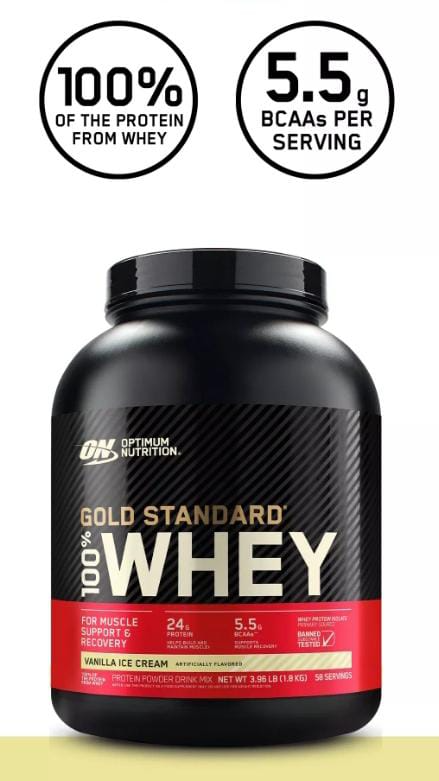
First step: figure out where the protein’s actually coming from.
Whey products usually list concentrate or isolate. Plant products list pea, rice, soy, hemp, or some blend.
Knowing the source tells you fast whether it even fits your diet.
Someone avoiding dairy, for example, shouldn’t accidentally grab a whey product just because the packaging screams “clean” or “healthy.”
Check the protein amount
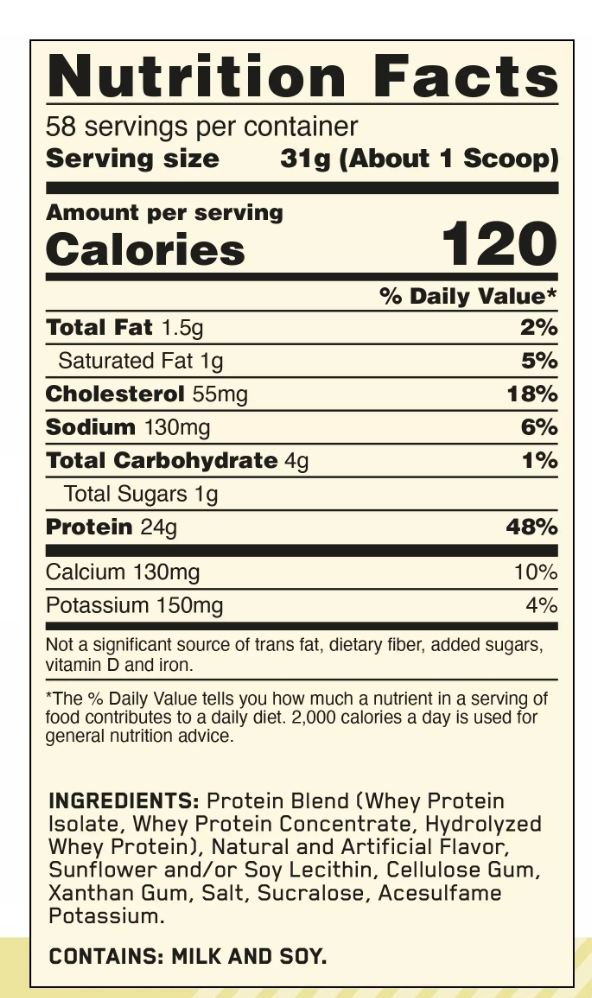
Look at how much protein you’re actually getting per serving.
Big scoop doesn’t automatically mean big protein number.
Compare serving sizes across products directly.
Some powders advertise a huge serving size while delivering a pretty average protein amount. Which is exactly why the nutrition label matters more than the marketing copy.
Pay attention to added sugar

Some powders add sugar. Others lean on alternative sweeteners instead.
Neither option automatically makes something healthy or unhealthy — but it’s worth knowing what you’re drinking.
Want something simple? Look for low added sugar.
But don’t obsess over one ingredient while ignoring everything else on your plate. Your overall eating pattern carries way more weight.
Don’t fall for flashy packaging
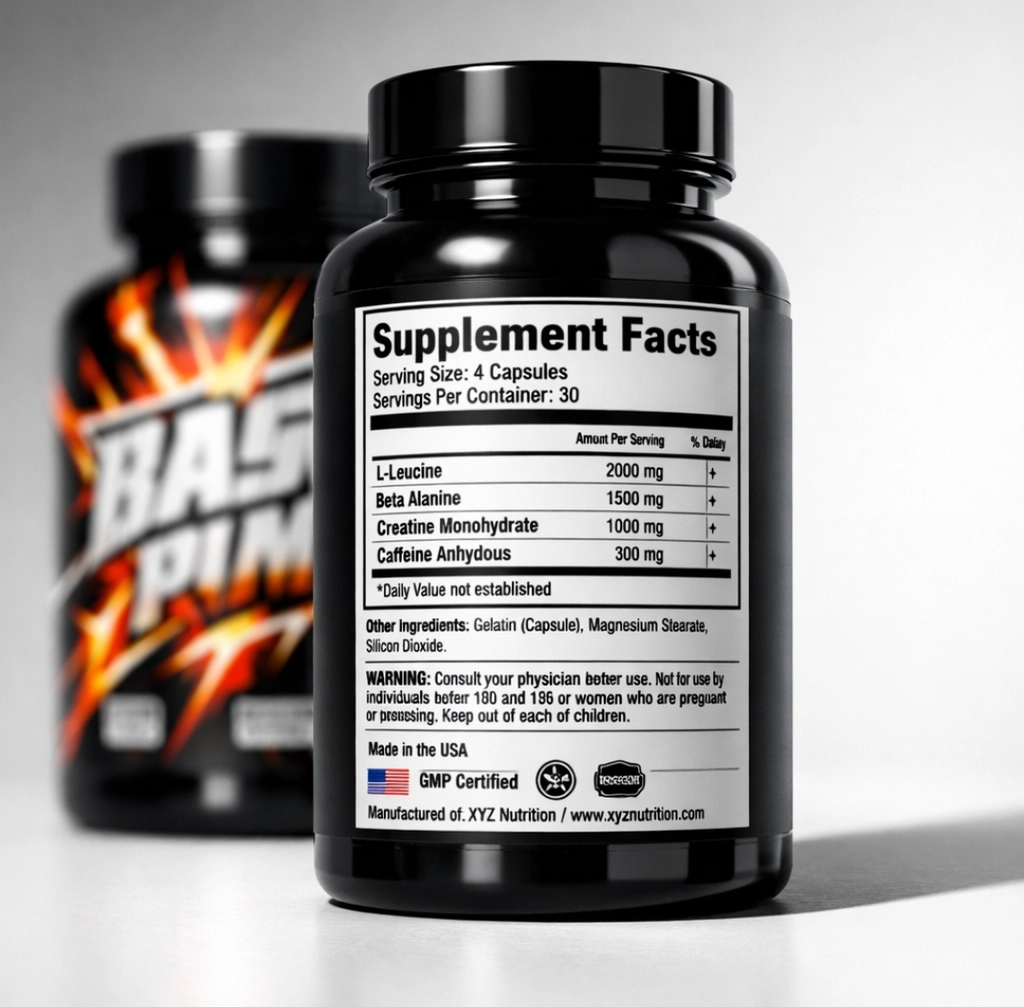
Companies know exactly how to make a tub look exciting.
Bold colors. Massive lettering. Dramatic gym photos. Phrases like “ultimate muscle formula.”
None of that is nutrition, though.
Check the facts instead. Protein content. Ingredients. Serving size. Calories. Added sugar.
Then decide if it actually makes sense for you.
Third-party testing is worth considering
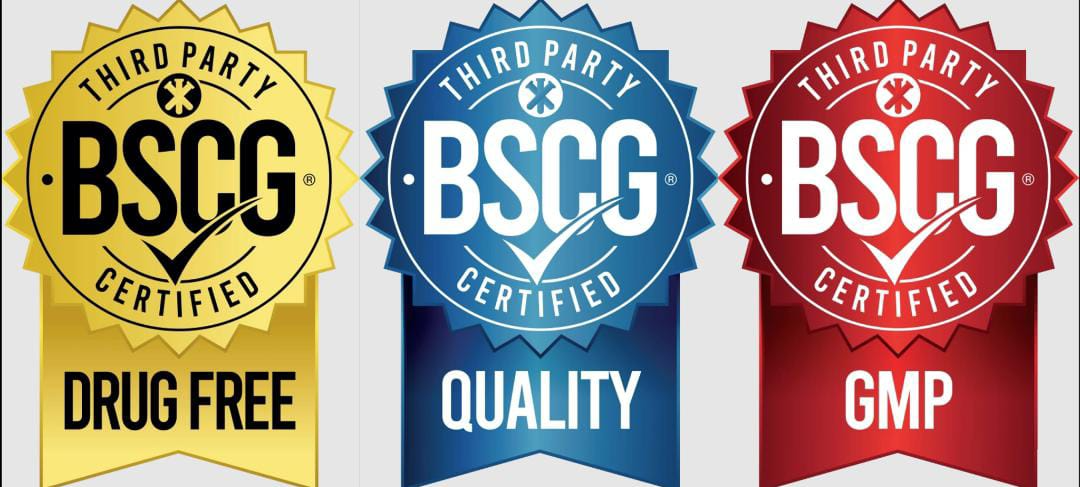
Supplements aren’t manufactured identically across the board.
Products independently tested by a reputable third party give you extra confidence about what’s actually inside.
Especially important for competitive athletes worried about banned substances or contamination.
Third-party certification isn’t the only factor. But it helps.
What does “clean protein” actually mean?
You’ll see “clean protein” thrown around constantly in marketing.
Problem is, it doesn’t have one agreed-upon definition. Every brand uses it differently.
Skip the marketing language. Look at what’s genuinely inside the tub.
Clear ingredient list you actually understand? You’re in a much better spot to decide.
Is unflavored protein healthier?

Not necessarily.
Unflavored versions often have simpler ingredient lists since they skip flavoring and sweetening agents.
But flavored protein isn’t automatically the villain here.
Like the flavor and it fits your diet? Nothing wrong with choosing it.
Read the label. Don’t just assume.
Common comparison for anyone chasing a high-protein powder.
Isolate typically delivers a high protein percentage with less lactose than concentrate.
Plant protein remains the go-to for anyone avoiding dairy entirely.
Care most about protein quality and tolerate dairy fine? Isolate might be your pick.
Care most about skipping dairy or going vegan? Plant protein fits better.
Neither one’s universally “the best.” Depends on you.
What if you have food allergies?
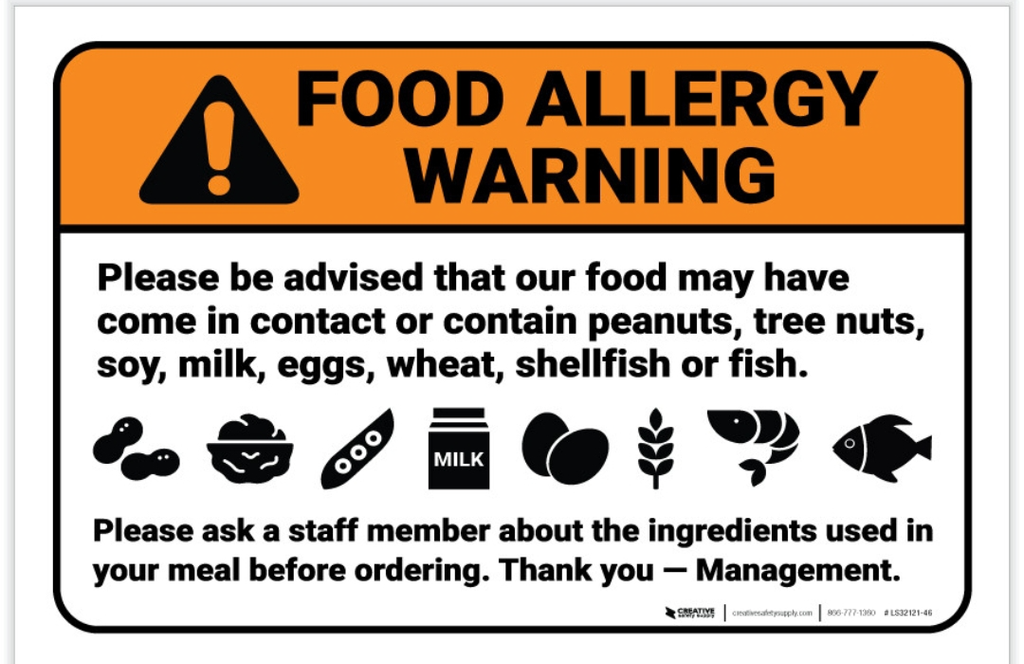
This is where you need to slow down and actually read.
Got a known allergy? Don’t choose based on the main protein source alone.
Read the full ingredient list and allergen warnings.
Manufacturing facilities sometimes handle multiple ingredients, so cross-contact warnings matter too.
Not sure if something’s safe? Ask a healthcare professional. Don’t guess.
Choosing Protein for Your Fitness Goals
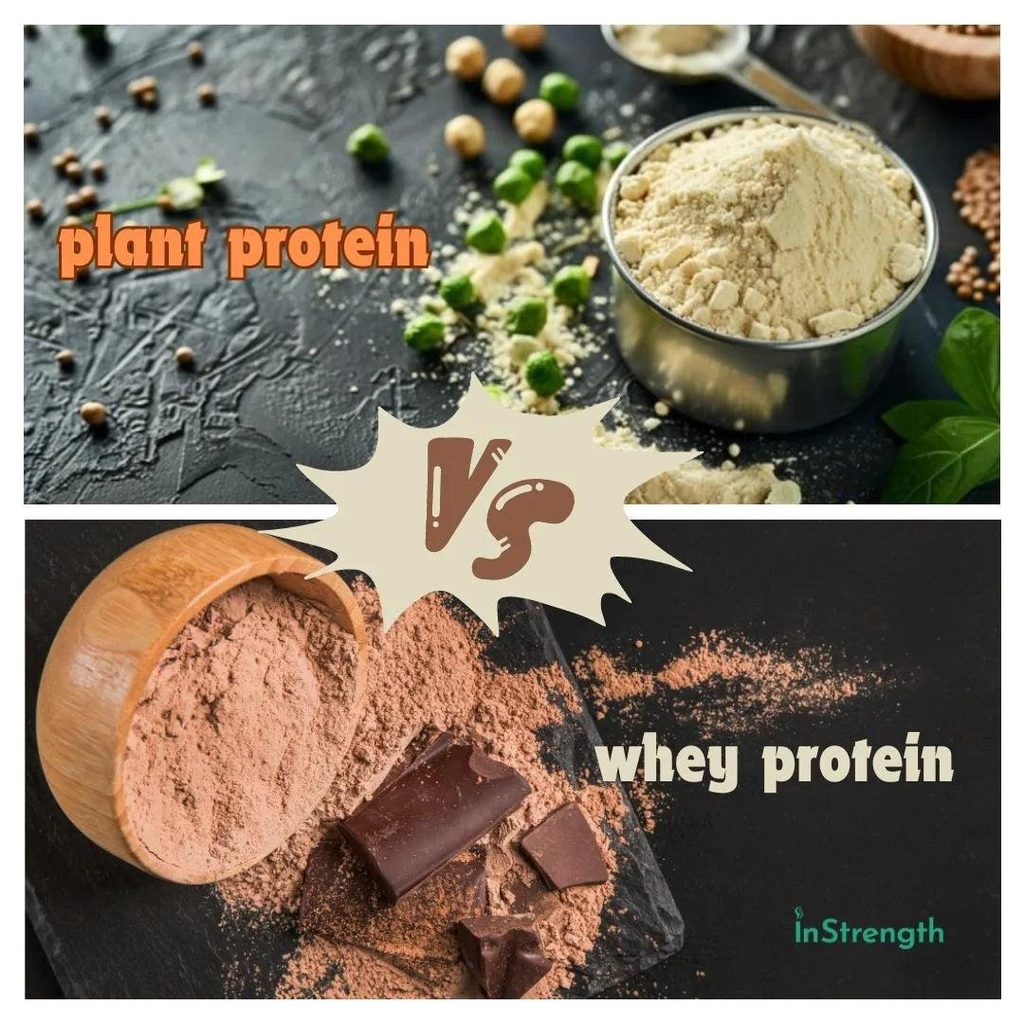
People usually pick their powder based on what they’re actually trying to achieve. So here’s a few common situations worth looking at.
If your goal is muscle building — both options can contribute, provided your training and total protein intake are actually dialed in.