

Beard Oil, Explained Like a Friend Would Explain It
You know that moment. Beard looks great from across the room — full, dark, maybe even a little rugged under the right lighting. Someone gets close, reaches out, touches it, and their face gives it away instantly. It’s not soft. It’s not even close. And now you’re standing there wondering if that’s just… how beards are supposed to feel.
They’re not, by the way. That’s why beard oil exists in the first place. It’s not just for shine or a scent that lingers in your bathroom. It’s about how your beard actually feels.
A good beard oil moisturizes the skin beneath your beard. It softens wiry, unruly hair and helps reduce itching before it starts. A bad one simply makes your bathroom smell like a candle store. Meanwhile, your face stays just as dry and irritated as before.
Here’s what nobody tells you in the grooming aisle. Most beard oils are designed to sell, not necessarily to work. Think fancy glass bottles, overpowering scents, and weak formulas. You’ve probably bought one without realizing it. The packaging did more to convince you than the product ever did for your beard.
So here’s the move: if your skin’s dry, ignore all of that entirely and go read the ingredients instead. Jojoba. Argan. Sweet almond. Coconut. Those four names are the ones actually doing something once the oil hits your skin. Everything else in the bottle is basically along for the ride.
Why Your Beard Turns Into Steel Wool
Quick version, I promise — no chemistry lecture here.
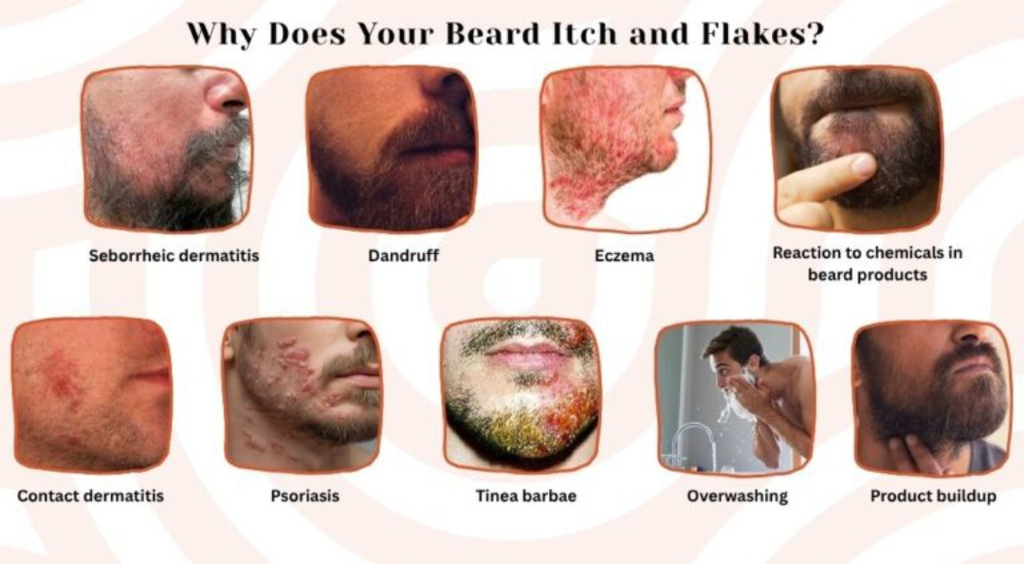
Beard hair isn’t built like the hair on your head, even though it grows out of the same body. It’s thicker, tougher, coarser by nature, and it takes a real beating every single day — sun exposure, wind, dust, and every wash slowly chips a little more moisture out of it. Give it enough time out in the elements and it stops feeling like hair entirely and starts feeling more like fishing line or steel wool, depending on how neglected it’s been.
Your skin does make its own oil, to be fair — that’s not really the problem here. The problem is that oil runs out of gas before it ever makes it down to the ends of a longer beard. Think of it like a delivery truck that stalls out halfway through its route. Your roots get taken care of just fine. Your tips are left completely on their own, fraying and drying out with nobody coming to help.
And washing too often makes the whole situation worse, not better, which feels counterintuitive until you actually think about it. Regular shampoo, or even worse, a random bar of body soap, strips away the natural oil your skin actually needs to stay balanced and comfortable. Now you’ve got a rough, scratchy beard *and* tight, uncomfortable skin underneath it — a two-for-one deal that nobody in their right mind actually wants. Throw dry winter air into the mix, or a long, sweaty summer, and you’ve basically guaranteed yourself a scratchy, irritated mess by the time the season wraps up.
That gap — between what your skin naturally produces on its own and what your beard actually needs to stay soft — is exactly where beard oil steps in. That’s the entire job description, start to finish. Nothing more mysterious or complicated than that.
The Oils Worth Actually Caring About
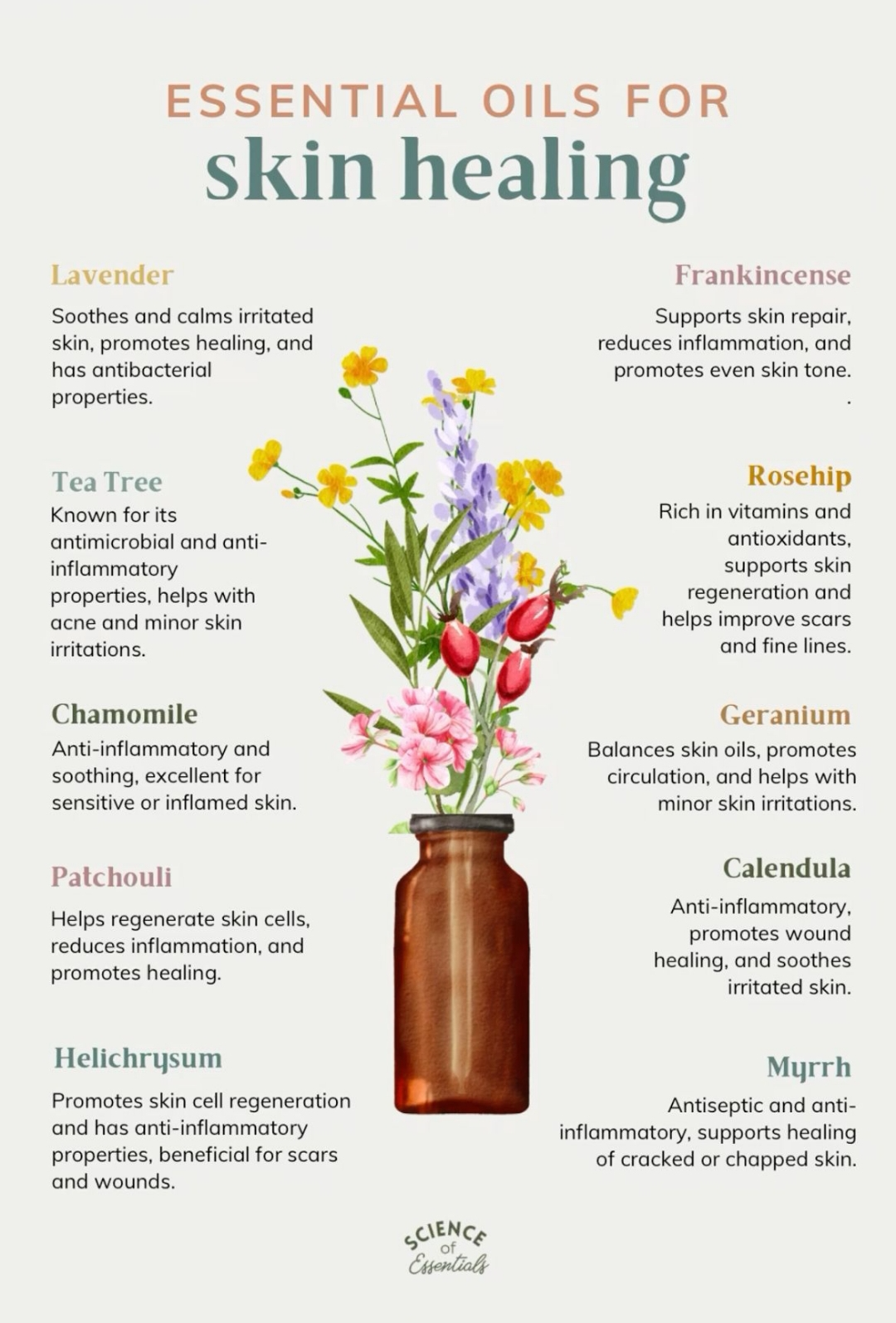
Skip the fragrance talk for a second. Ignore whatever the box is trying to tell you. Here’s what’s actually real, ingredient by ingredient:
Jojoba oil
— this one’s the closest thing to your own skin’s natural oil that you’ll find in a bottle. It absorbs fast, it never sits there feeling heavy or greasy on your face, and it genuinely works for almost every skin type without much complaint. If you’re only willing to trust one single ingredient on this entire list, make it this one.
Argan oil
— full of fatty acids and vitamin E, and it tends to show results fast, sometimes within a single day of consistent use. Rough, wiry beard hair goes noticeably smoother almost overnight. It’s the closest thing to instant gratification you’ll find in this whole category.
Sweet almond oil
— soft, gentle, and quietly effective as a conditioner over time. If you’ve got a nut allergy, though, this one’s a hard pass — check the actual ingredient list yourself before buying, not just the front of the bottle.
Coconut oil
— heavier and richer than the other three, and genuinely great if your beard is seriously coarse or hard to manage. If your skin already leans oily or acne-prone, though, this one might actually work against you rather than for you. It’s more of a specialist tool than an everyday default.
Stop grabbing a bottle just because it looks cool sitting on the shelf or because the packaging catches your eye first. Flip it over. Actually read what’s inside. That’s genuinely the entire secret nobody bothers explaining when they’re trying to sell you a beard-care starter kit at checkout.
What Actually Makes a Beard Soft

There’s no single “best” oil out there, no matter how confidently someone online tells you otherwise. Anyone selling you a “holy grail” ingredient with total certainty is, well, trying to sell you something — take it with a grain of salt.
Jojoba is the reliable, everyday choice — light enough that you’ll actually keep reaching for it instead of letting the bottle collect dust on your shelf after week two. Argan delivers that “wait, this actually feels different” moment people keep raving about in reviews. Sweet almond works as the gentle fallback option for anyone who finds the other two a little too intense or drying on their particular skin.
A lot of the genuinely good products on the market blend two or three of these together, and honestly, that tracks once you think about it — one oil quietly covers whatever gap the other one happens to leave behind. So stop chasing some single magic ingredient that’s supposedly going to change everything overnight. Start paying attention instead to how your actual face feels after two full weeks of consistent, daily use. That’s the only real test that matters here, and it’s the one most guys skip entirely because they give up after three days.
Softness Depends on More Than the Oil Itself
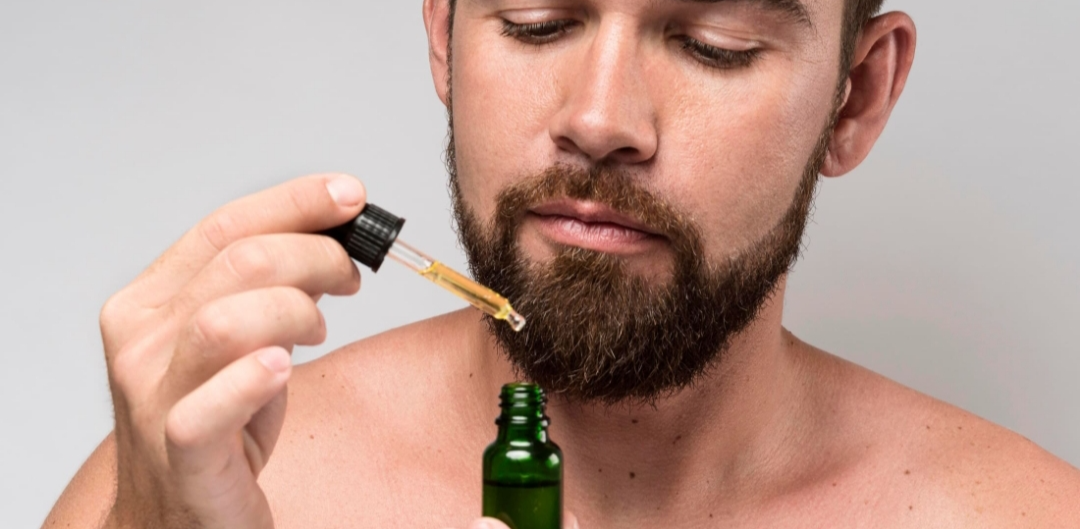
A few drops. That’s the entire dose, every single time you apply it. If your beard looks visibly wet or shiny afterward, you went too heavy — full stop, no exceptions to that rule.
Light oils like jojoba and argan work fine for most people on most days. Thicker oils can help if your beard is genuinely coarse or unmanageable, but ease into it slowly rather than dumping in a full palmful right away. More product doesn’t equal more softness. It just equals more grease sitting there on your face, doing absolutely nothing extra for you in return.
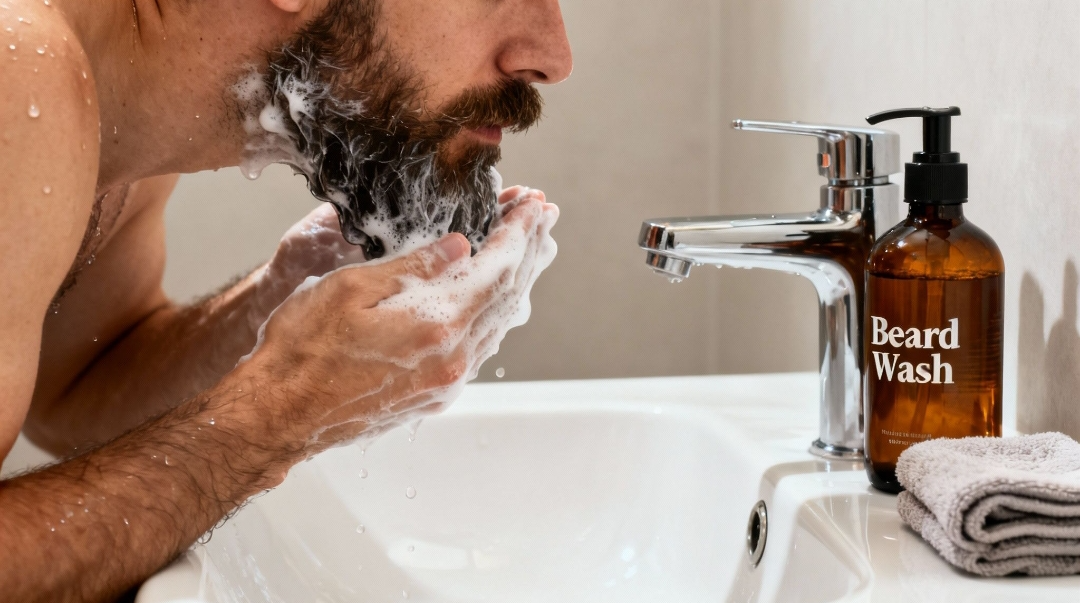
And here’s the part everyone conveniently skips over: how you wash and dry your beard matters just as much as what you apply afterward, maybe even more. Use something actually formulated for beards, not the leftover bar of body soap sitting in your shower caddy from who knows when. Pat your beard dry gently afterward — don’t scrub it like you’re drying off a dog that just got caught in the rain. Then apply your oil while it’s still just slightly damp, so it actually has a real chance to sink in instead of just sitting there on top like a coating.
The Skin Underneath Needs Real Attention Too
Everyone obsesses over the hair itself and completely forgets about the skin trapped underneath it, hidden away from view. That’s a mistake, and it’s exactly where the itch is actually coming from in the first place — not the hair, the skin.
Massage the oil down into the skin, not just across the surface of the hair sitting on top of it. That distinction right there is the real difference between “my beard looks nice and oiled up” and “my face genuinely feels better by the end of the day.”
Just don’t drown the area in product trying to overcompensate. Overdo it and you risk clogging your pores for zero additional benefit in return. If you’ve got sensitive skin, keep a close eye on any added fragrance or essential oils in whatever you’re using — nine times out of ten, those extras are the actual irritant, not the base carrier oil doing the real work.
Match the Oil to Your Skin, Not the Trend
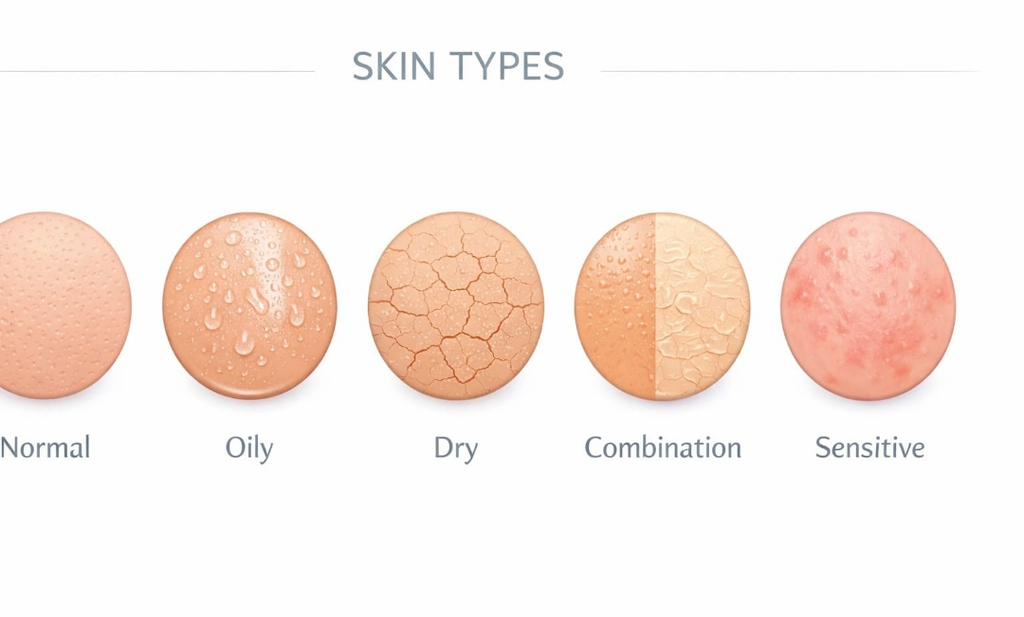
-“Dry skin” — go rich: jojoba, argan, sweet almond, whatever combination feels right for you.
– “Oily skin” — go light. A heavy oil is just going to sit there looking greasy by lunchtime.
– “Combination skin” — start small, watch what happens over a few days, and adjust from there.
-“ Sensitive skin” — fragrance-free, short ingredient list, no negotiating on either point whatsoever.
Trying something brand new for the first time? Patch-test it first, every single time, no matter how confident you feel about it. A quick five-minute test on your jawline beats a full week of irritated, inflamed skin because you decided to skip one simple step.
How to Actually Put This Stuff On

Start with a clean beard. Towel-dry it gently afterward — this isn’t a wrestling match, so ease up on yourself here.
Drop a small amount into your palm to start. A short beard needs less product, a longer beard needs a bit more — use your own judgment and adjust the amount over time as you learn your beard.
Rub the oil between your palms first, before it ever makes contact with your face. This spreads it out evenly so you’re not dumping one concentrated blob in a single spot and missing everywhere else.
Work it into the skin underneath, not just across the surface hair on top. That’s the step almost everyone rushes past without thinking, and it’s honestly the one that matters most out of this whole list.
Comb through from root to tip if you’ve got any real length going on these days. This helps distribute the product evenly through the whole beard and detangles things as you go.
Style it however you normally would afterward. And that’s it — you’re genuinely done.
If your beard looks visibly wet once you’re finished, you went in too heavy. Just scale it back tomorrow, and you’ll dial in the right amount for your own beard within a few tries.
When’s the Right Time to Actually Do This?

Right after a shower, when your beard is clean and cooperative, tends to work best for most people. Morning application if you want to look sharp and put-together for the entire day ahead. Night application if you’re more into that slower, deliberate grooming-ritual kind of vibe before heading to bed.
Once a day covers the vast majority of guys without any real issue. If your beard runs especially dry, maybe a light second pass later on. But really, just listen to what your own beard is actually telling you day to day — don’t blindly follow some rigid rule just because a random blog post somewhere told you that’s how it’s supposed to work.
Oil or Balm — Which One Do You Actually Need?
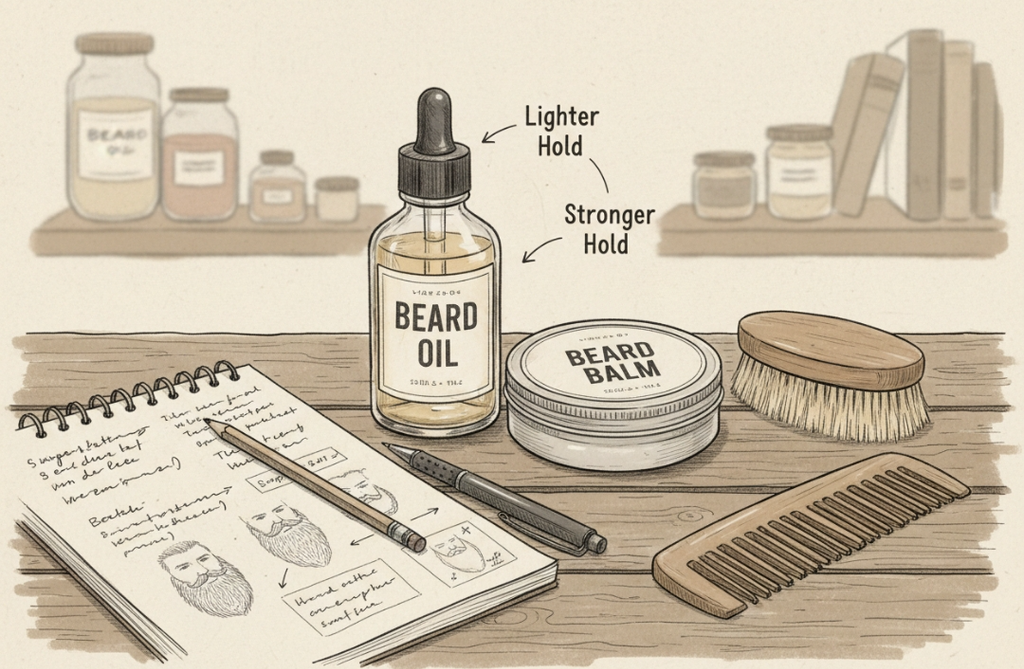
Oil moisturizes and conditions. It’s light, it absorbs quickly, and it genuinely reaches the skin underneath the hair, which is really the whole point of using it in the first place.
Balm is thicker by design — think waxes, butters, and enough real hold to actually shape things the way you want. It’s half skincare product, half styling tool, and it behaves accordingly on your face.
If dry skin and rough, wiry hair are your main complaints right now, start with oil and see how far that takes you on its own. If you’re also trying to tame flyaways or shape a longer beard into something more presentable, that’s exactly when balm earns its spot next to the oil on your bathroom sink.
Cut These Habits Out Immediately
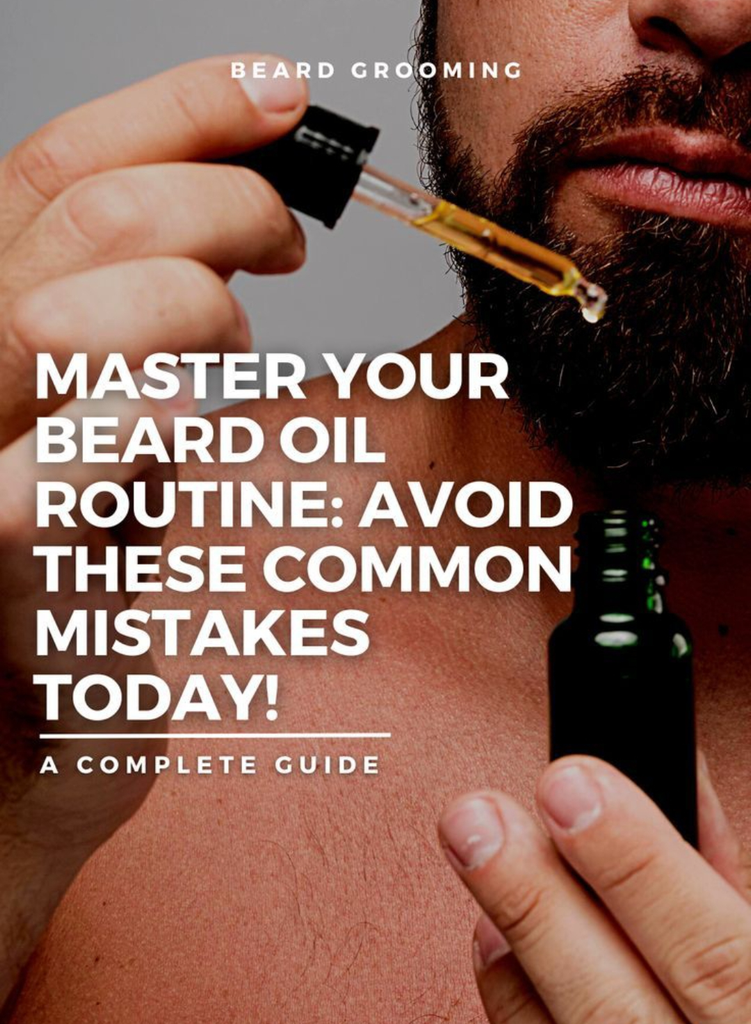
– Overdoing the oil. Wet and shiny is never the actual goal here, no matter how satisfying it feels in the moment.
– Only hitting the surface hair and skipping the skin underneath entirely, every single time.
– Oiling a dirty beard — at that point, you’re just sealing grime and buildup in for the rest of the day.
– Assuming the pricier bottle automatically wins over the cheaper one. More often than not, it really doesn’t.
– Riding out irritation instead of stopping immediately when it starts. Redness or burning that won’t quit on its own? Stop using the product right away, and see a doctor if it lingers longer than expected.
Single Oil or a Blend? Honestly, It Matters Less Than You’d Think

A single oil — pure jojoba, pure argan, nothing else mixed in — gives you a clean, simple test to work from. It’s easy to know exactly what’s working and what isn’t when there’s only one real variable in play at a time. A blend gives you broader coverage across multiple benefits at once, but comes with a longer ingredient list that you actually need to keep an eye on.
Neither approach is the automatic, obvious winner here — it really comes down to your own skin and preference. And don’t fall for the assumption that “natural” printed on a label automatically means “completely safe,” either. Natural ingredients still cause allergic reactions and irritation in plenty of people out there. Read the actual list regardless of whatever’s printed in bold letters on the front of the bottle.
Does Beard Oil Make Your Beard Grow Faster?
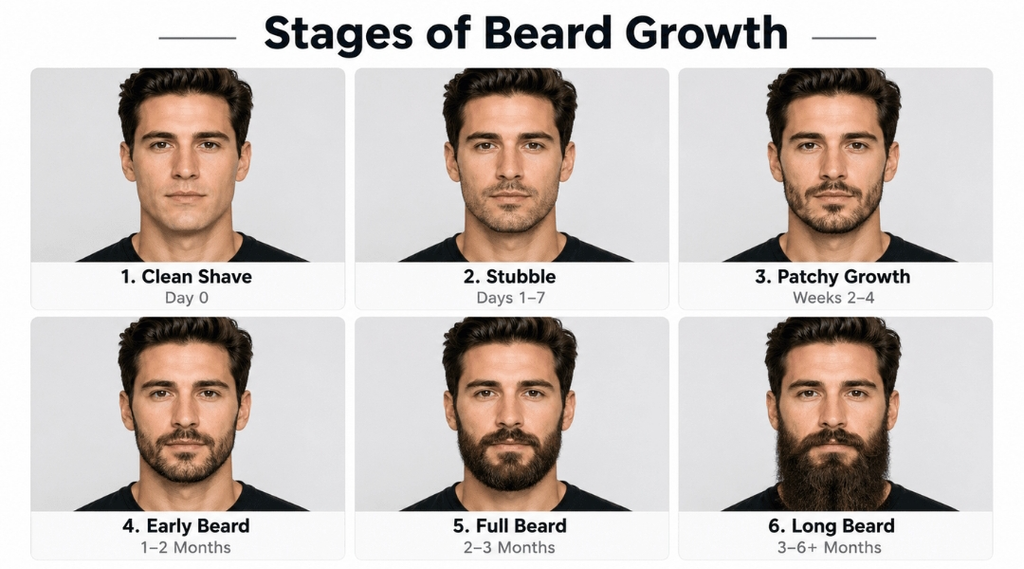
Nope. Not even a little bit, no matter what the marketing around a product tries to imply.
Growth comes down to genetics and hormones — factors that no bottle of oil sitting on your bathroom shelf is ever going to touch or meaningfully influence, no matter how expensive it was. What beard oil actually does, and does genuinely well, is keep what you’ve already got comfortable and manageable while it grows at its own natural pace in the background. That’s the real, honest value here, plain and simple. Stop expecting a basic moisturizer to perform miracles it was never designed or formulated to deliver in the first place.
Bottom Line
Don’t overcomplicate any of this more than it needs to be. Match the oil to your actual skin, not to the packaging sitting on the shelf next to it trying to catch your eye.
Jojoba for everyday use, most days of the week without much thought required. Argan when you specifically want that extra dose of smoothness for a special occasion or just because. Almond or coconut depending on exactly what the formula calls for and how your own skin responds to it over time. Skip anything that leads with fragrance instead of leading with real, functional ingredients that actually do something once they hit your face.
A soft, comfortable beard was never a one-time purchase to begin with, and it never will be, no matter how good the marketing sounds. It’s a routine, plain and simple — wash it right, dry it right, trim it on a regular schedule, and let a genuinely decent oil quietly do its unglamorous job every single day without you having to think too hard about any of it.