
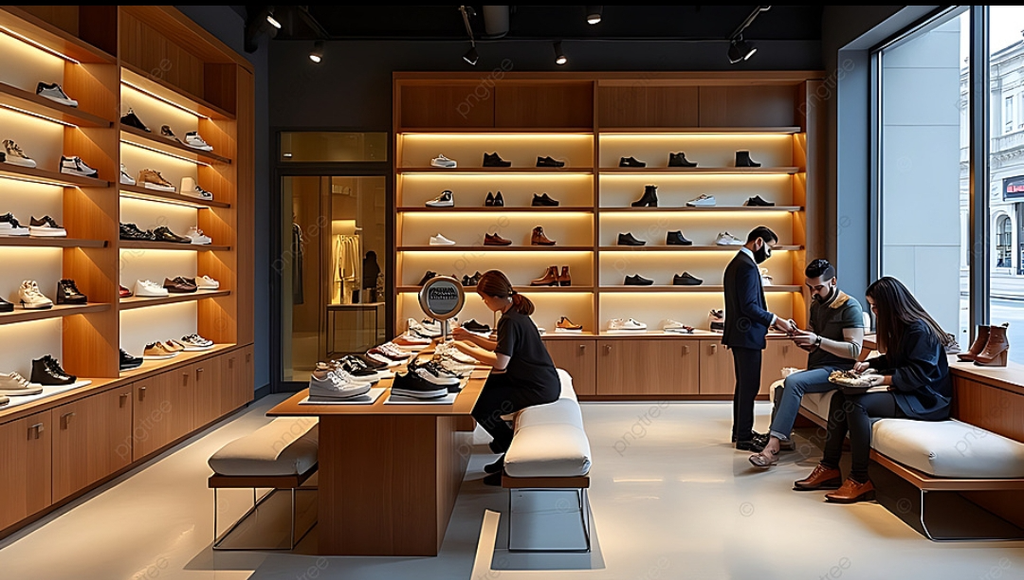
7 Shoe-Buying Mistakes That Cause Foot Pain
Okay so real talk — how many times have you bought a pair of shoes, felt like the main character walking out of the store, and then by day three your feet were absolutely done with you? Yeah. Same. This happens to basically everyone at some point, and it’s honestly annoying because the shoe usually looked fine. It felt fine, even, standing there for ten seconds by the mirror.
Turns out that’s the problem. Ten seconds by the mirror doesn’t tell you much.
Most of the time it’s not that the shoe is garbage quality. It’s just… the whole buying process went a little sideways. Wrong size, didn’t think about whether your foot is wide or narrow or has that annoying high arch, zero thought given to support because the color was just *chef’s kiss*. Small stuff. But it adds up fast once you’re actually wearing the thing for eight hours.
And feet do a lot, right? Walking, standing in line, sprinting for the train, pacing around your kitchen while you’re on a call you don’t want to be on. They’re working nonstop. So yeah, what you put them in is kind of a bigger deal than it feels like in the moment.
Good news, though — most of these mistakes are stupidly easy to dodge once you know what to look for. So here’s seven of the big ones, plus a few extra bits: is it actually normal for new shoes to hurt, which foot symptoms you shouldn’t just ignore, and which shoe styles are basically foot pain waiting to happen.
1. Just Grabbing the Wrong Size

I know, I know — feels too obvious to even list. And yet.
A shoe can look completely perfect on the shelf and still wreck you if the size is off. Too small and your toes get mashed together, hello pressure points, hello blisters. Too big and your foot’s just sliding around in there like it’s on a little conveyor belt every time you step.
Here’s the annoying part nobody tells you: sizing isn’t consistent between brands. A 9 in one place is not the same as a 9 somewhere else. So don’t just grab whatever number you always buy and walk off — actually try it, actually pay attention to what it’s doing to your foot.
Toes need room to move. Heel should feel snug, not like it’s in a vice. And your foot shouldn’t be sloshing forward and back with every step you take around the store.
2. Totally Ignoring Width and Foot Shape
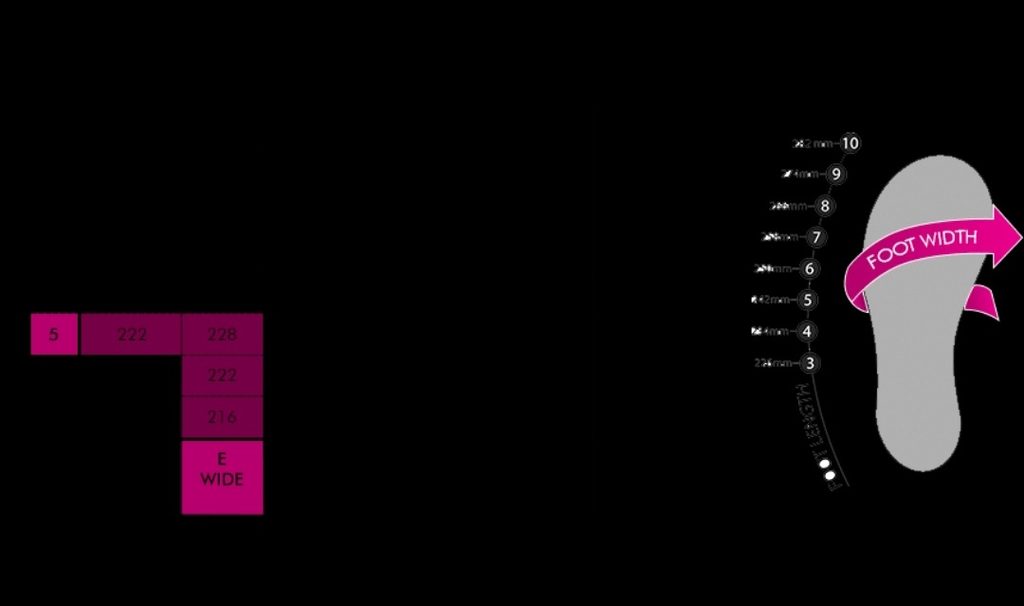
Everyone’s obsessed with length. Almost nobody thinks about width, which, honestly, kind of matters just as much if not more.
Feet aren’t one-size-fits-all shaped. Some are wide, some narrow, some have that high arch situation, some are basically flat. If the shoe doesn’t match what your foot actually looks like, getting the length “correct” doesn’t save you from anything.
So say your feet are on the wider side. Cramming them into a narrow shoe is gonna hurt along the sides no matter how perfect the length is. What actually fixes that isn’t sizing up — it’s finding something wider.
Toe box shape too. Those pointy little front ends look sharp in photos but they’re squishing your toes into a shape they were never built for.
When you try shoes on, don’t just stand there like a statue for two seconds. Walk. Actually move. See if anything’s poking you or pinching somewhere.
3. Buying It Purely Because It’s Cute
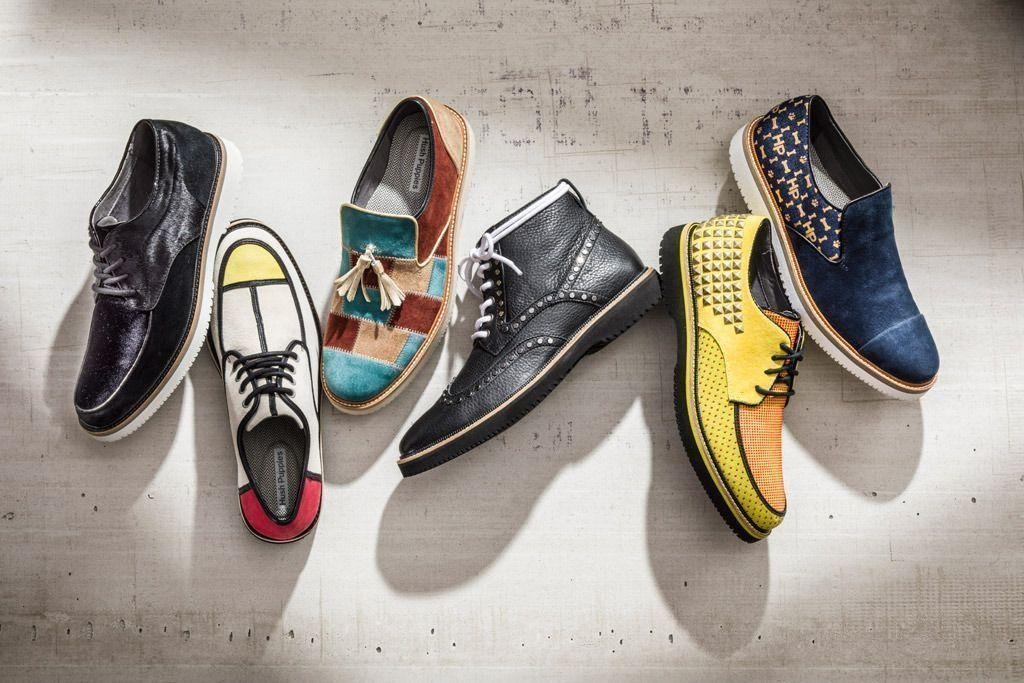
Been there. You see a shoe, it’s gorgeous, it goes with literally everything, and your brain just short-circuits into “mine now.” Nothing wrong with wanting something stylish — the issue is when that’s the *entire* decision-making process.
Some shoes are stunning and also brutal after like an hour of actual wear. Barely any cushion, zero support, a shape that fights against your actual foot the whole time. That’s fine for a quick trip somewhere. Not fine for a whole day.
Doesn’t mean fashion’s totally off the table forever. Just means being honest about how long these things will actually be on your feet.
A shoe for two hours at dinner doesn’t need to survive the same stuff as a shoe you’re standing in all day at your job.
Before you buy, just ask yourself straight up — would I genuinely want to walk around in these? And if deep down the answer’s no, it’s probably not worth it. Doesn’t matter how good it looked under the store lights.
4. Making One Pair of Shoes Do Everything
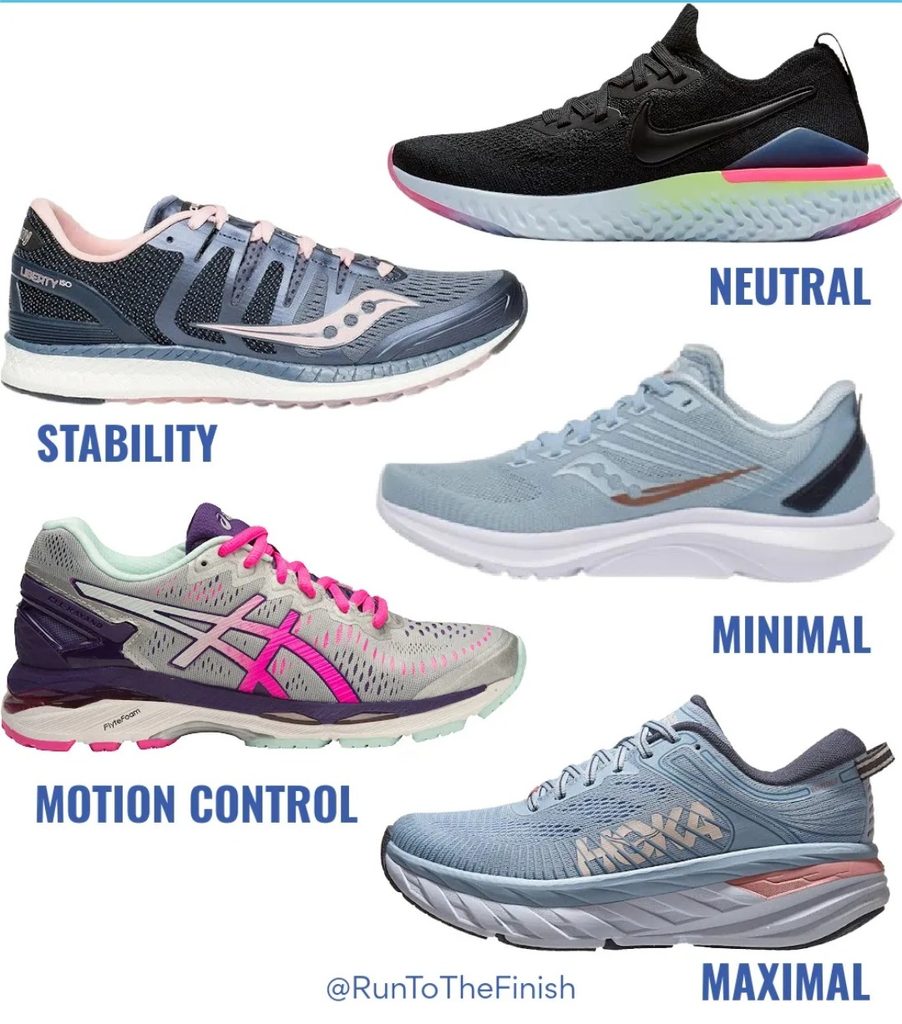
A lot of people basically try to make a single pair handle their entire life — walking around, gym, errands, work, whatever comes up.
But different stuff asks different things of your feet. Running shoes exist for running. Work shoes are built around whatever your job does to your feet all day. Casual shoes are for hanging out. They’re not really interchangeable, even though it’s tempting to treat them like they are because, hey, one less pair to buy.
Walking long distances a lot? You want real cushioning and support under you. Playing a sport? The shoe needs to actually handle those specific movements — cutting side to side, jumping, whatever your sport’s about.
Trying to push through a workout in shoes meant for lounging around is a fast track to being sore, and it can mess with how you’re actually moving too.
So just think about what you need the shoes to *do* before buying, and shop off of that.
5. Betting On “It’ll Break In”
Somebody, somewhere, always says it: “Yeah they hurt right now but give it a few wears, they’ll break in.”
Sometimes true. Shoes do soften up a little over time. But real, actual pain isn’t something you should just white-knuckle through and hope it fixes itself.
There’s a difference between “these feel a bit stiff since they’re new” and “I genuinely cannot feel my toes right now.” That second one isn’t a break-in period. That’s a shoe telling you it doesn’t fit.
If you can, walk around the store before buying. Pay attention to your toes, your heel, the sides, the bottom of your foot too.
If it already hurts while you’re just standing around under the store’s terrible fluorescent lighting, it’s probably not gonna magically fix itself once you get home.
6. Not Checking Support and Cushioning
Soft and supportive get treated like they’re the same thing, but they’re really not. A shoe can feel like a cloud the second you put it on and still leave your feet aching twenty minutes later.
What you actually need depends on what you’re using the shoe for — and honestly, what your particular feet respond to, because that part’s kind of personal.
Check the sole, check the overall build. Does it feel steady when you’re walking? Does your foot feel planted or a little wobbly? Enough cushion for whatever ground you’re usually walking on?
A paper-thin, beat-up sole isn’t protecting you from hard pavement. But grabbing the softest shoe on the shelf isn’t automatically smart either — sometimes all that softness means you’re trading away actual stability.
You’re kind of looking for a sweet spot: comfortable, stable, right for whatever you’re doing.
7. Not Actually Trying the Shoes On (Like, For Real)
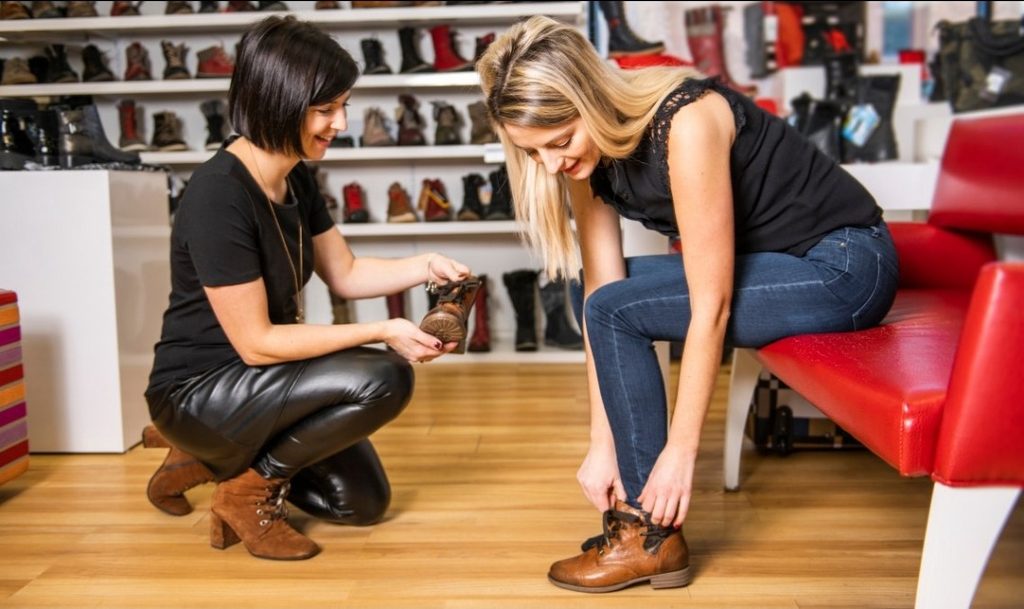
Last one, and it’s a common one — slipping a shoe on, standing there for two seconds, going “yep, good, this works,” and heading to the register.
Your feet actually swell a bit as the day goes on, especially once you’ve been up and moving around. Which is exactly why shopping later in the day tends to work out better than first thing in the morning — your feet are closer to their “actual” size by then.
Try both shoes. Not just the one. Feet are almost never perfectly identical to each other, which is weirdly easy to forget.
Walk around. Bend your foot a bit. Notice if anything’s pressing somewhere it shouldn’t.
And wear the socks you’d actually wear with them — sounds minor but it genuinely changes the fit.
Spend the extra five or ten minutes now. Beats spending the next month wincing every single time you put them on.
Is It Normal for New Shoes to Hurt?

A little bit of “huh, this feels different” when breaking in something new — sure, that happens, especially if the style’s a departure from what you normally wear. But real, ongoing pain shouldn’t just get filed under “normal.”
New shoes shouldn’t be giving you sharp pain, numbness that sticks around, or rubbing bad enough to actually leave a mark. If it hurts literally every single time, that’s the shoe telling you something — fit’s off, design’s not right for you, or you’re using it for something it wasn’t built for.
Try pinpointing exactly where it hurts. Toes getting squeezed? Heel rubbing at the back? Foot sliding? Sole too hard underfoot? These little clues usually point right at the real issue.
You can ease in gradually — shorter wear times at first, that kind of thing. But don’t push through actual discomfort. That’s not breaking a shoe in. That’s just hurting yourself for no reason.
If it keeps happening even after switching shoes, or it’s messing with your regular routine, it’s probably worth getting a doctor or podiatrist to take a look.
Five Foot Problems Worth Taking Seriously
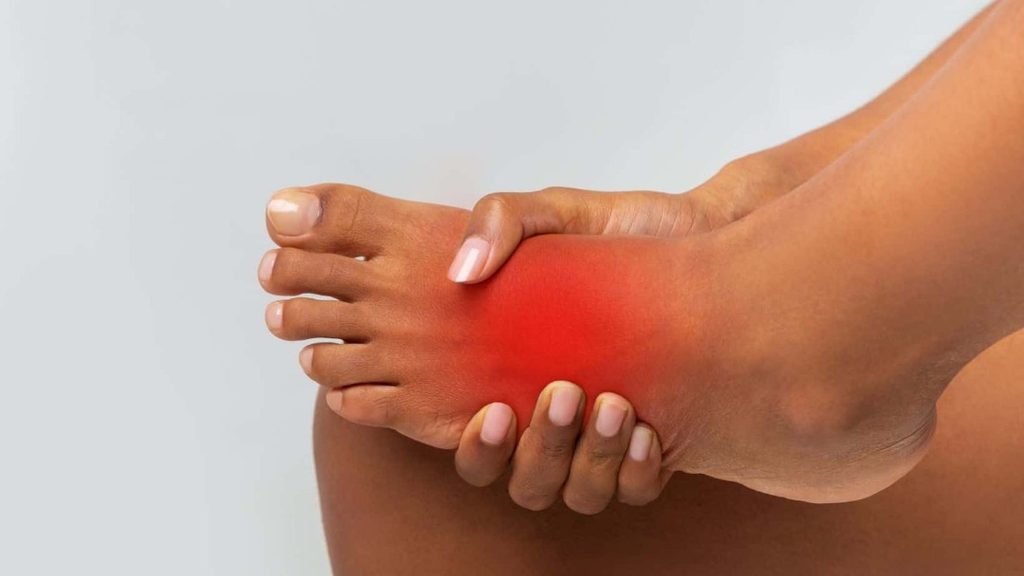
Some foot stuff is minor and just goes away on its own. Other stuff deserves actual attention, especially if it sticks around, gets worse, or starts interfering with your day-to-day.
1. Pain that just won’t quit. Feet still hurting even after rest or a shoe swap? Might be something underlying going on that’s worth looking into.
2. Numbness or tingling. One weird moment, not a big deal. Keeps coming back, though? Could be tied to nerve pressure or something else worth checking.
3. Swelling that doesn’t add up. A bit of swelling after an unusually active day, totally normal. Swelling that shows up out of nowhere or won’t quit — that’s worth getting checked.
4. Sores or skin stuff that won’t heal. Blisters from rubbing, sure, happens to everyone. Wounds or skin changes that don’t heal like they should are a different situation entirely.
5. Real trouble walking. If foot pain’s actually messing with your ability to walk, stand, exercise, whatever — don’t just grind through it. That tends to make things worse, not better.
None of this automatically means it’s something serious. But it’s all good reason to pay attention and get a professional’s take when it matters.
What Shoes Are Actually Bad for Your Feet?
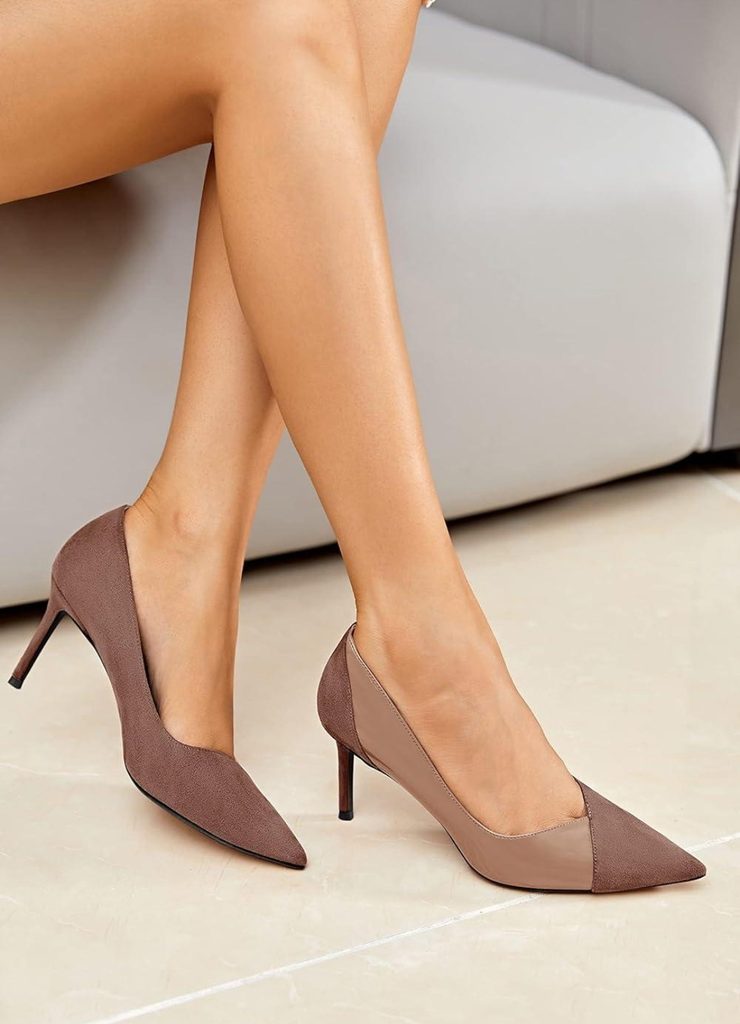
No single style is universally terrible for every single person. It really comes down to fit, design, how much you’re wearing them, and what you’re actually doing while wearing them.
That said — a handful of styles tend to cause more grief when worn a lot or for long stretches.
Really high heels. Push your weight way forward onto the front of your foot and mess with your balance, especially when the toe area’s narrow on top of that.
Pointed-toe shoes. Squishing your toes into a narrow point is basically inviting trouble if you don’t have room to spare in there.
Super flimsy flats. Not all flats are bad, plenty are totally fine — but some are so thin and structureless they give you almost nothing, and that catches up with you eventually on long walks.
Shoes that are just worn out. Even a genuinely good pair stops being good once the sole and cushioning give up. Uneven wear also messes with how your foot’s actually hitting the ground.
Anything that just doesn’t fit. Honestly, this is the real culprit most of the time. A poorly fitting shoe can be miserable no matter what category it falls into. Fit beats style, price, and brand loyalty every time.
How to Actually Pick Comfortable Shoes
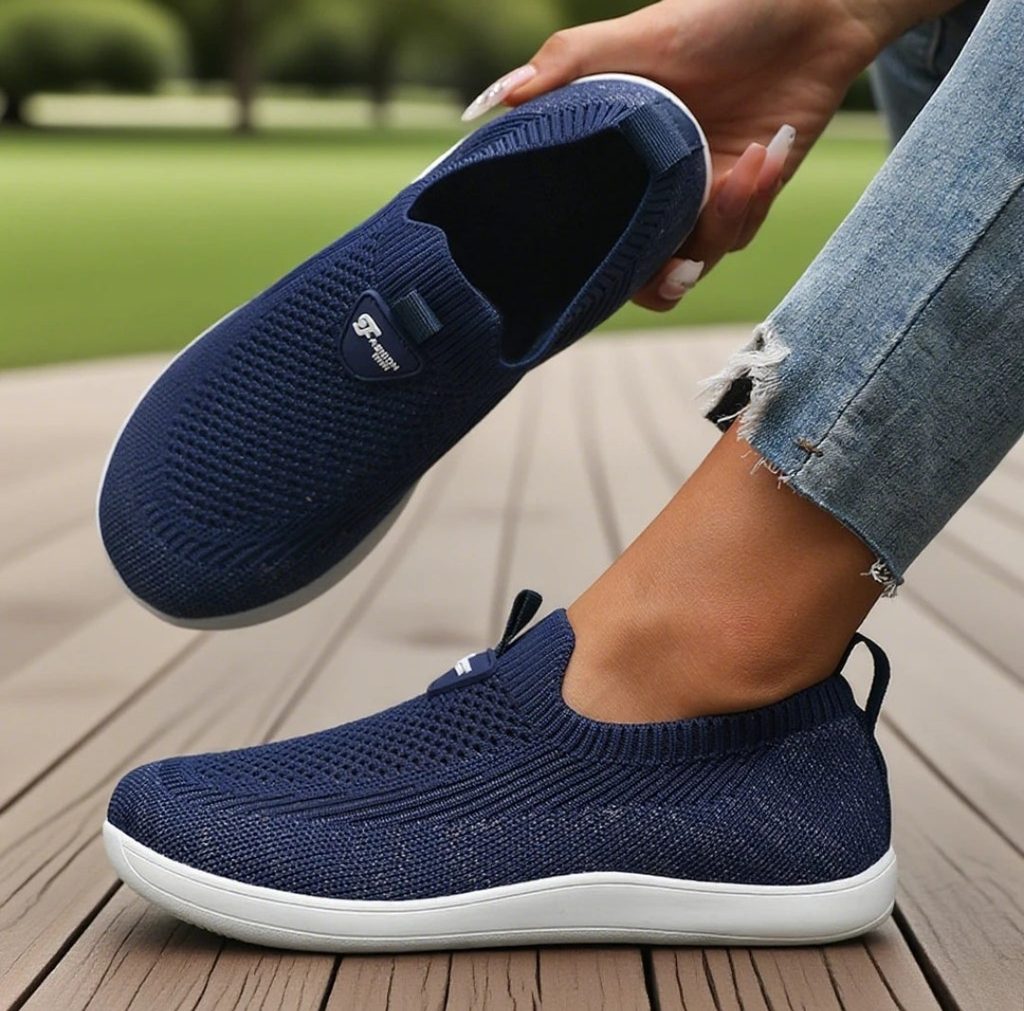
Doesn’t have to be a whole production. Start with thinking about what you’ll actually be using them for.
Give your toes room, make sure the heel feels secure, and try both shoes while genuinely walking around the store before buying. Go for stable and comfortable over whatever’s trendy or on sale.
Replace shoes once they’re worn down. Cushioning and support don’t last forever, especially if you’re wearing the pair constantly.
And if your feet already give you grief, don’t assume one particular shoe style is gonna fix all of it. Everyone’s feet are different — what works great for your friend might do nothing for you.
Bottom Line

Buying shoes should be about more than the color or the brand name on the box. The right pair actually fits your foot and matches whatever you’re gonna be doing in them.
Wrong sizing, ignoring width, picking based on looks alone, using the wrong shoe for the wrong thing, assuming pain will just magically vanish — these are the mistakes that quietly wreck your feet over time, often without you even noticing until it’s already a problem.
So next time you’re out shopping, just slow down a bit. Try both shoes. Walk around like nobody’s watching. Check the toe room. Actually listen to what your feet are telling you in real time. Some adjustment period is normal. Real, lasting pain isn’t.
Your feet carry you through literally every single day of your life — giving them shoes that actually treat them well is a pretty small ask in return. And honestly? The best pair usually isn’t the flashiest one or the most expensive one on the shelf. It’s just the one that fits right and does its job.