
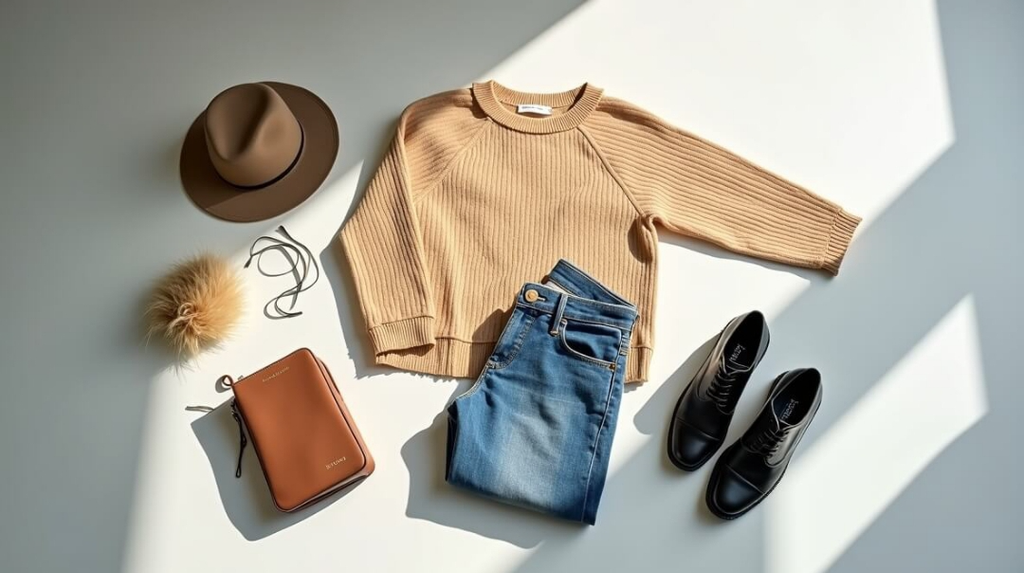
7 Common Mistakes When Buying clothes for All Bodies
So I bought a medium shirt online once and it fit like it was made for someone twice my size, and that same week I bought another medium from a totally different brand that barely buttoned. Same letter on both tags. Two completely different shirts basically, and I remember standing there thinking okay what does medium even mean anymore. Turns out sizing on clothes is more of a suggestion than a rule, brands just make up their own version of what medium is and go with it.
Most of us grow up thinking shopping works like this — see it, like it, grab your size, pay, wear it forever, done. Except fabric stretches differently depending who made it, cuts are all over the place, and something that looks amazing on your friend can just do nothing for you, and honestly that’s not on you at all. It usually just means nobody in the whole fashion industry actually agreed on what a medium is supposed to be.
You don’t need a fashion degree to dress well though. Comes down to fit, comfort, decent quality, clothes that fit your actual life — that’s really it, that’s the whole thing when you strip away all the noise. Below are seven mistakes people make constantly, plus a few things people ask a lot, like what’s the 3-3-3 rule, what should plus size shoppers skip, and how do you look a bit slimmer without turning it into a whole thing.
1. Trusting the Tag More Than Your Own Body
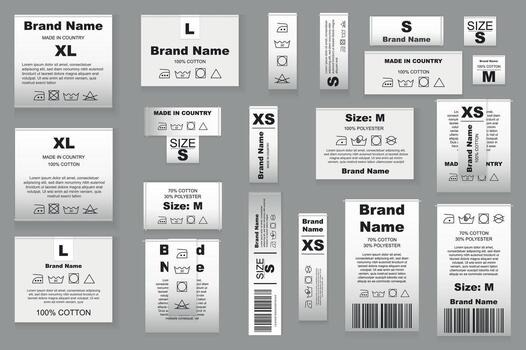
Size labels lie. Not on purpose I think, but they do, all the time.
A medium at one store isn’t a medium somewhere else, sometimes it’s not even the same within one brand — a jacket and jeans get cut on completely different logic and nobody warns you about that standing in a fitting room trying to figure out why nothing makes sense. Some pieces hug you close, some hang loose, the tag isn’t going to tell you which.
Check actual measurements instead. Waist and hips for pants. Chest, shoulders, sleeve length for tops and jackets. Shopping online? Pull the size chart up first, takes like a minute, saves you the whole mailing-it-back thing later which is honestly such a pain.
Can you sit down in it. Can you actually walk. Can you lift your arms without the seams pulling at you. If not, the size on the tag isn’t doing its job, doesn’t matter what number’s printed there. A size is just a number to help you find fit, that’s the whole job it has. Says nothing about your worth and honestly not much about how you look either.
2. Skipping the Fabric Question Entirely
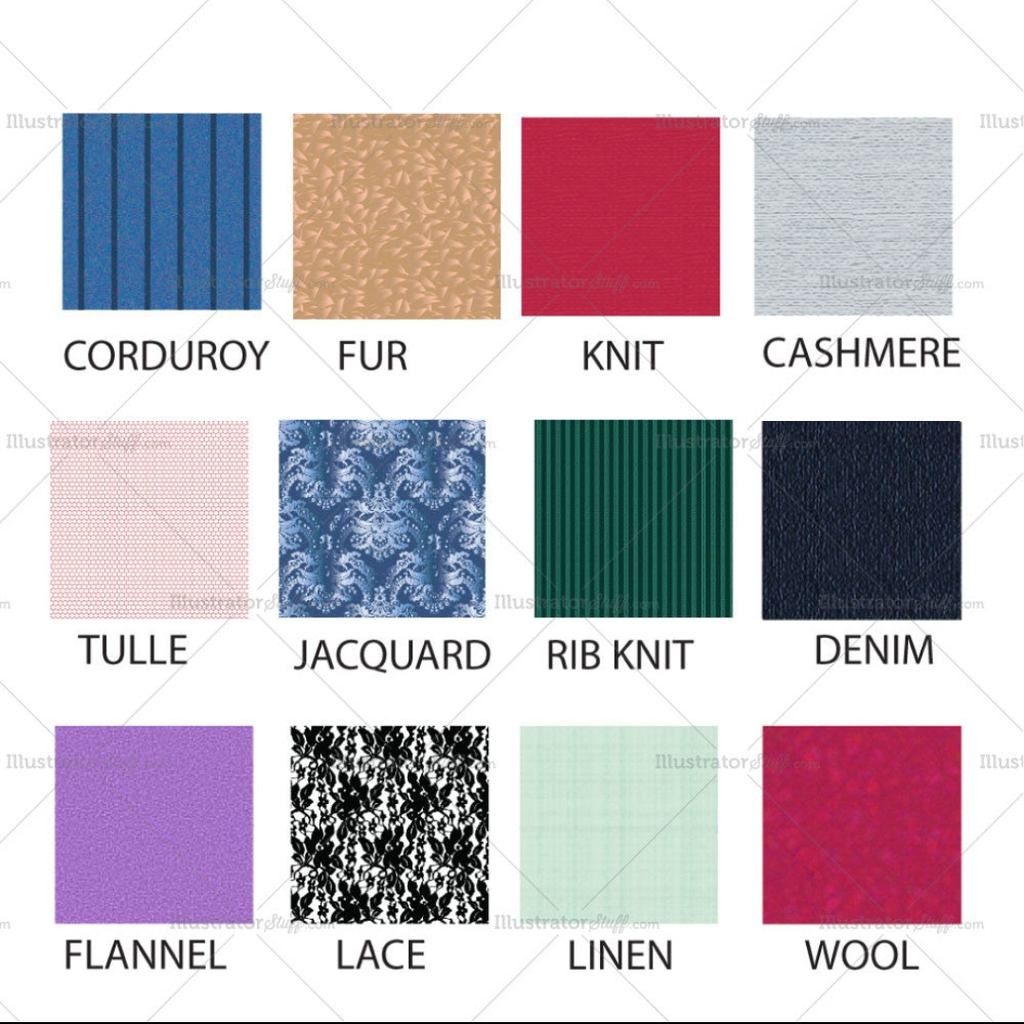
Color grabs your eye first. Price seals the deal. Fabric just gets ignored, which is kind of a mistake if you actually think about it for a second.
Cotton’s fine for everyday stuff. Linen’s built for heat. Stretch fabric moves with you, structured material holds its shape and looks sharper — not the same thing at all even if two shirts end up looking almost identical on a hanger.
Think about where you’ll actually wear it. Hot place, go breathable. Cold place, go warm without piling on bulk. Wearing it a lot? Make sure it survives the wash without falling apart on you three weeks in.
Two shirts can say the same size and fit completely different if one has stretch and one doesn’t, which nobody tells you until you’re already annoyed in a fitting room. So actually read the fabric details online instead of scrolling past like everyone does. Something gorgeous that’s miserable to wear just becomes a closet decoration, it’s not getting worn, ever, I promise you.
3. Buying the Trend, Not the Life You Actually Live
Trends are fun, no argument there. But treating every trending thing like a must-buy is basically how closets fill up with stuff nobody touches again.
Quick gut check before buying something trendy — would I actually reach for this on a random Tuesday, does it go with anything I own, is it comfortable or just good in photos. Mostly landing on no? Just skip it, save the cash for something better.
If you live in casual clothes most days, a couple good trousers and versatile tops get you way further than five trend pieces that only work for one look, one time, maybe one photo. Doesn’t mean skip trends completely, just don’t build a whole wardrobe around them — mix one trendy piece into stuff that already works and it does more than people expect. The goal was never the fullest closet anyway. It’s a closet where you can actually find something worth putting on.
4. Never Testing Movement, Only the Mirror

Standing still in front of a mirror tells you basically nothing, not really. Sit down. Walk a few steps. Raise your arms overhead. That’s usually when you realize something doesn’t fit right at all even though it looked totally fine two seconds ago.
Reviews online save you a ton of trouble here, people are pretty blunt about whether something runs small or big or fits weird in some random spot you’d never have guessed.
Shoulders, waist, hips, sleeves, length — bodies are shaped so differently that the same exact shirt fits two people two totally different ways. Maybe your shoulders need a bigger size but you want the waist to stay fitted. Maybe pants are never the right length for you no matter the brand, ever, which gets exhausting honestly. That’s what tailors exist for. A cheap hem fixes what an entire size chart couldn’t.
None of this is about squeezing your body into some shape of clothing. It’s the opposite actually — finding stuff that works with the body you already have, not the one some size chart imagines.
5. Wrong Undergarments, Wrong Outfit
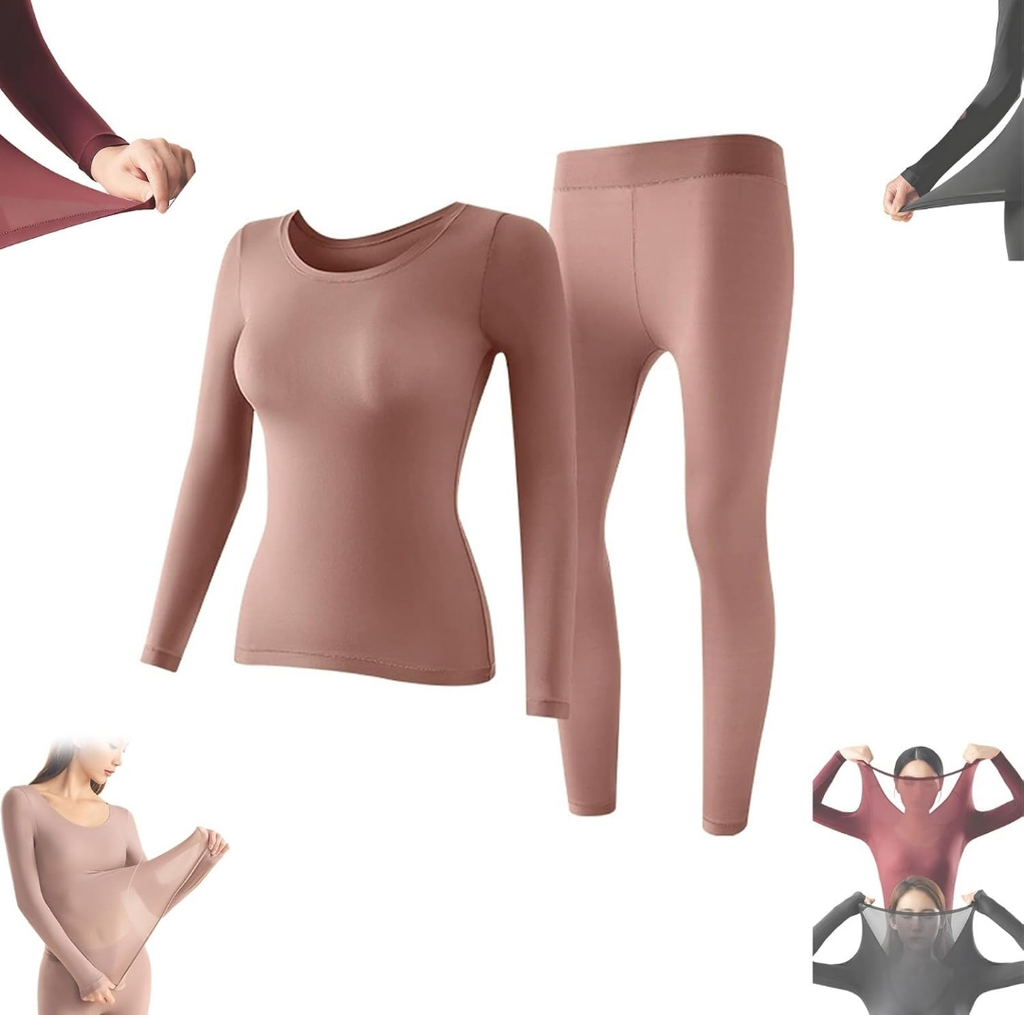
Nobody talks about this one enough, honestly. The right base layer lets an outfit sit right without you thinking about it all day. The wrong one means visible lines and constant adjusting you don’t even notice until somebody points it out.
Certain necklines need certain things underneath. Certain pants basically need something seamless or it shows through, no way around it. There’s no one undergarment everybody needs, comfort comes first, always, full stop. Don’t buy something hoping it’ll magically reshape your body because it just won’t. If an outfit only works because something underneath it is uncomfortable, that’s usually a sign the outfit itself isn’t right for you.
6. Ignoring Proportion Completely
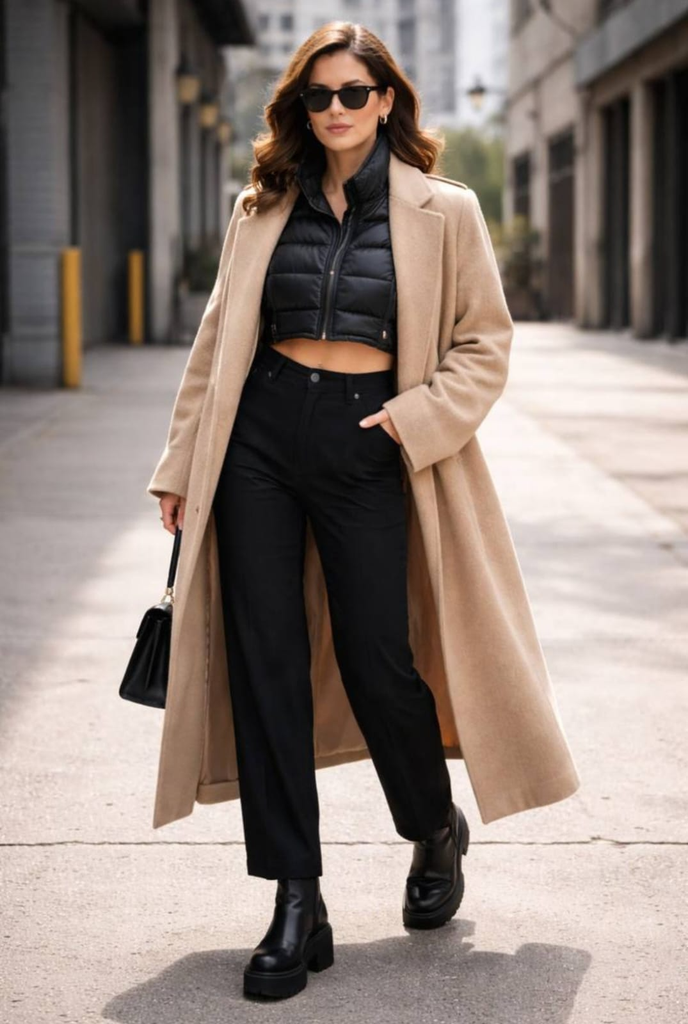
Proportion sounds complicated but it’s really not, it just means how the pieces of an outfit relate to each other. Length, shape, layers.
A long coat and a cropped jacket create two completely different silhouettes. Wide leg and straight leg pants read totally different. Same top paired with relaxed pants versus fitted pants looks like a whole different outfit even though the top itself never changed.
There’s no single correct proportion for every body no matter what old style guides act like they know. So just try stuff. Take photos of outfits you actually like and see which combos genuinely feel right on you. Belts, scarves, open layers — small stuff, but it adds up more than people give it credit for.
7. Not Caring About Quality or How to Care For It
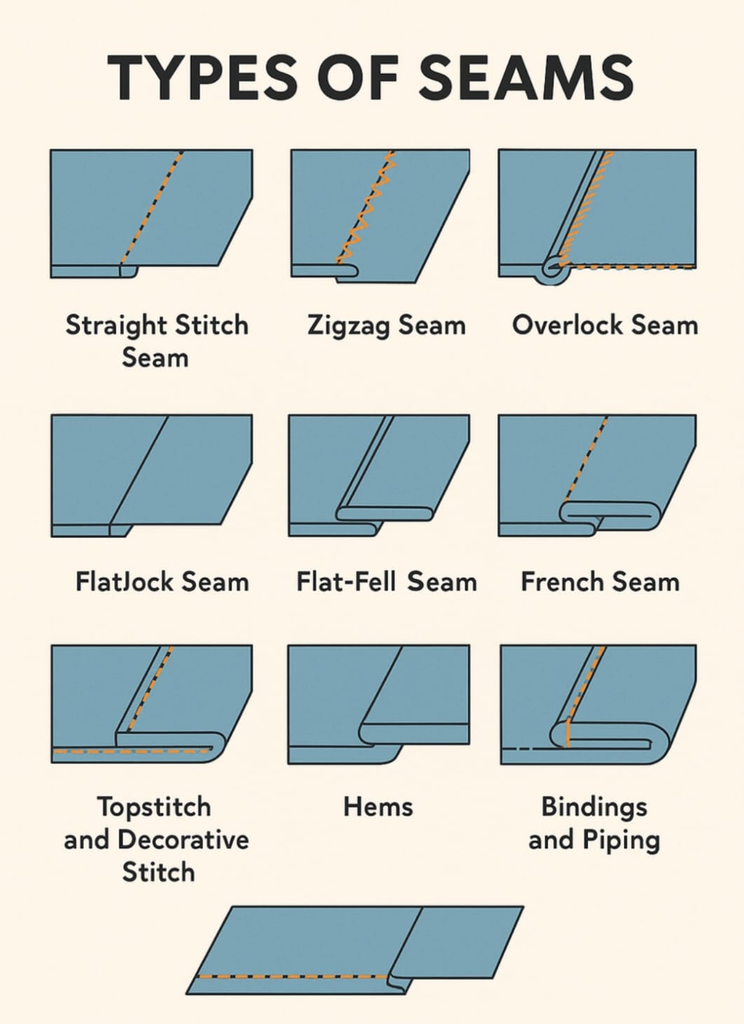
Cheap feels good in the moment. Doesn’t mean it’s actually a good deal though, learned that one myself the hard way, more than once honestly.
Before buying, think about how often you’ll realistically wear something and whether the stitching and buttons look built to survive more than a couple washes. Reviews usually mention how something holds up over time, worth the extra minute reading them.
One good, versatile piece beats five cheap ones that fall apart after two wears and a wash. And if you already know you’re not going to hand-wash something delicately, just don’t buy it — pick something that fits your actual routine, not the one you wish you had.
What Is the 3-3-3 Rule, Actually?
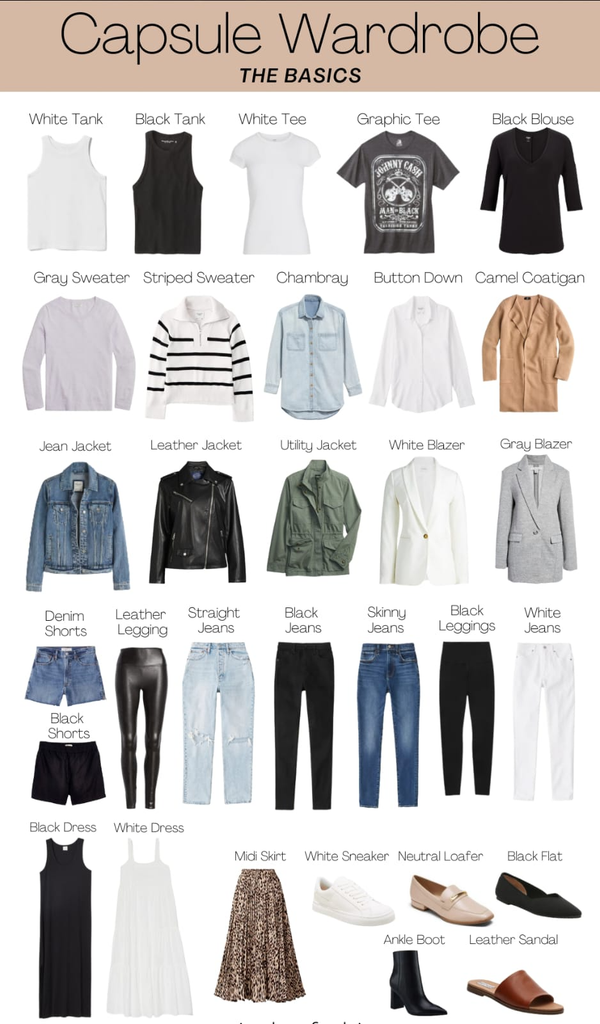
Simple idea — pick a small set of clothes that mix into a lot of outfits instead of a huge pile of stuff that only works one way.
One version goes three tops, three bottoms, a couple layering pieces, shoes and accessories that go with most of it. People tweak the numbers for their own life, the point isn’t the number three specifically, it’s forcing yourself to buy stuff that actually works together instead of randomly grabbing things.
Before your next purchase, ask if it pairs with things you already own. If it only matches one outfit, it’s probably not worth it, no matter how cute it looked in the store.
What Should Plus-Size Shoppers Actually Skip?
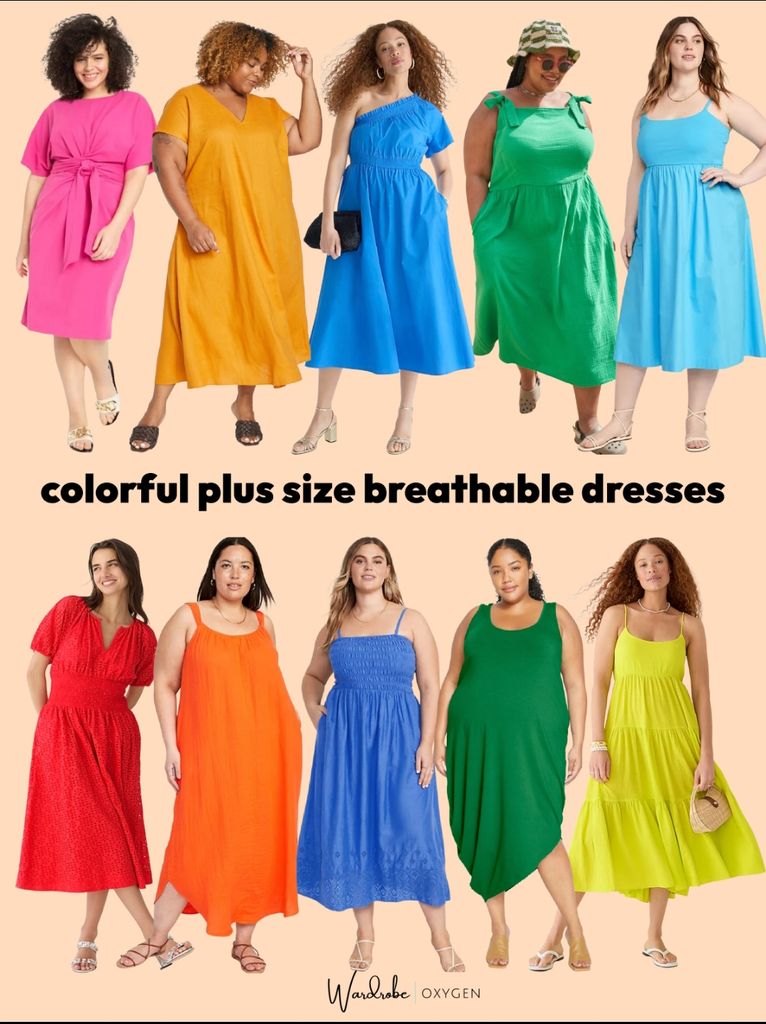
There’s no official list of banned clothes, honestly. Preferences and proportions are different for everyone, and anyone acting like there’s a strict rulebook here is probably trying to sell you something.
A few real mistakes though. Don’t squeeze into something too tight thinking smaller equals better looking — it doesn’t, it just restricts how you move all day. Sizing up across the board isn’t automatically the fix either, too loose ends up shapeless and kind of impractical.
Watch for cheap fabric and sloppy stitching, bigger sizes need proper proportions built into the design, not just a smaller garment stretched wider with no real thought behind it. And skip the dark-colors-only thing, bright colors, prints, patterns, all fair game, always were actually. Don’t dress according to somebody else’s opinion of what you’re allowed to wear. That’s really the whole point of all this, if there even is one.
How Do You Look a Little Slimmer, Styling-Wise?
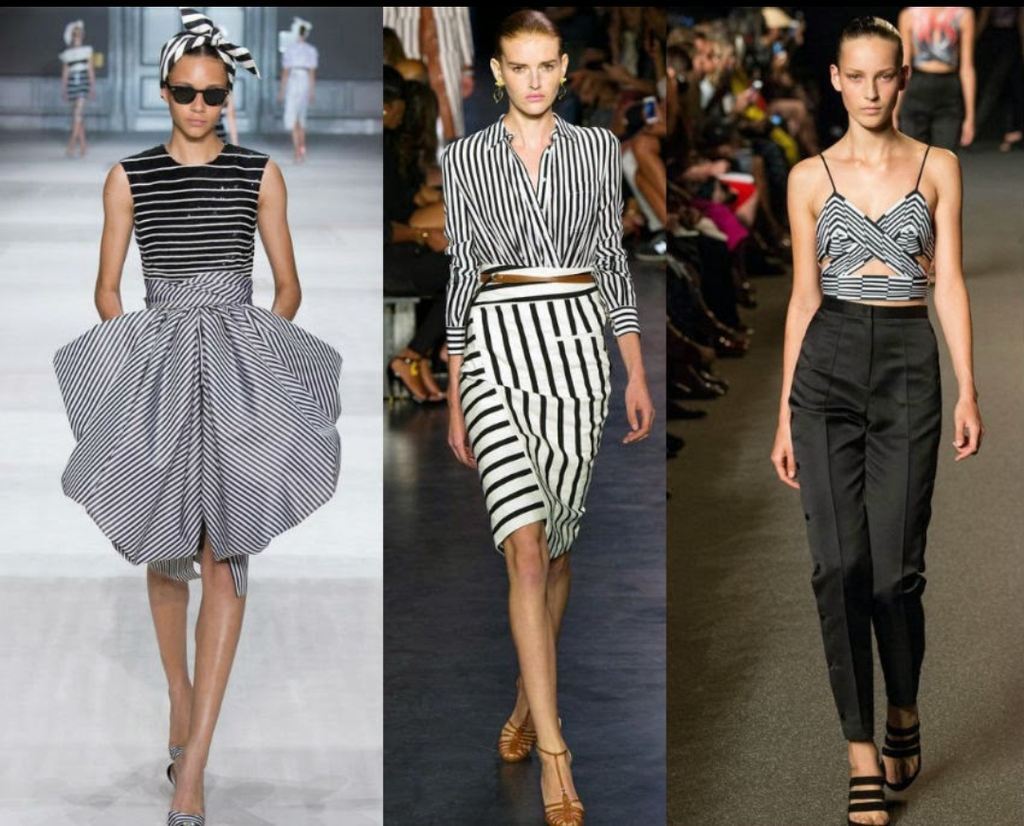
Forget shrinking your body, focus on balance instead, that’s really what this whole thing comes down to.
Fit matters most. Too tight or too loose throws everything off way more than color ever will. Monochromatic outfits, one tone head to toe, create a clean visual line, doesn’t have to be black either, navy, olive, beige all do the same thing.
Vertical lines help too, long open layers, simple silhouettes. Pick one focal point per outfit instead of five competing ones. And tailoring — a hem here, a sleeve there — makes way more of a difference than people expect going in.
But none of this means you owe anybody a smaller looking body. Dress for how you actually feel, not somebody else’s idea of what’s right.
Final Thoughts
Buying clothes stops being stressful the second you drop the idea there’s some rulebook you’re supposed to follow. Comes down to knowing what you actually need — fit, fabric, comfort, quality, and whether it works with what’s already in your closet.
Skip the trendy impulse buy. Skip the cheap one. Skip the one you’re only buying because it’s “recommended for your body type.” Ask instead if it’s comfortable, useful, if it actually feels good on.
The 3-3-3 rule helps with versatility. Layering, color, proper fit handle the rest, no need to change anything about your body for any of that to actually work.
There’s no single definition of stylish, whatever size you wear. Clothes should work for you, not the other way around. Next time you’re out shopping, just forget the number on the tag for a second and focus on the person actually wearing it.